Best Caribbean Food in Denver: Where to Eat Island Flavors
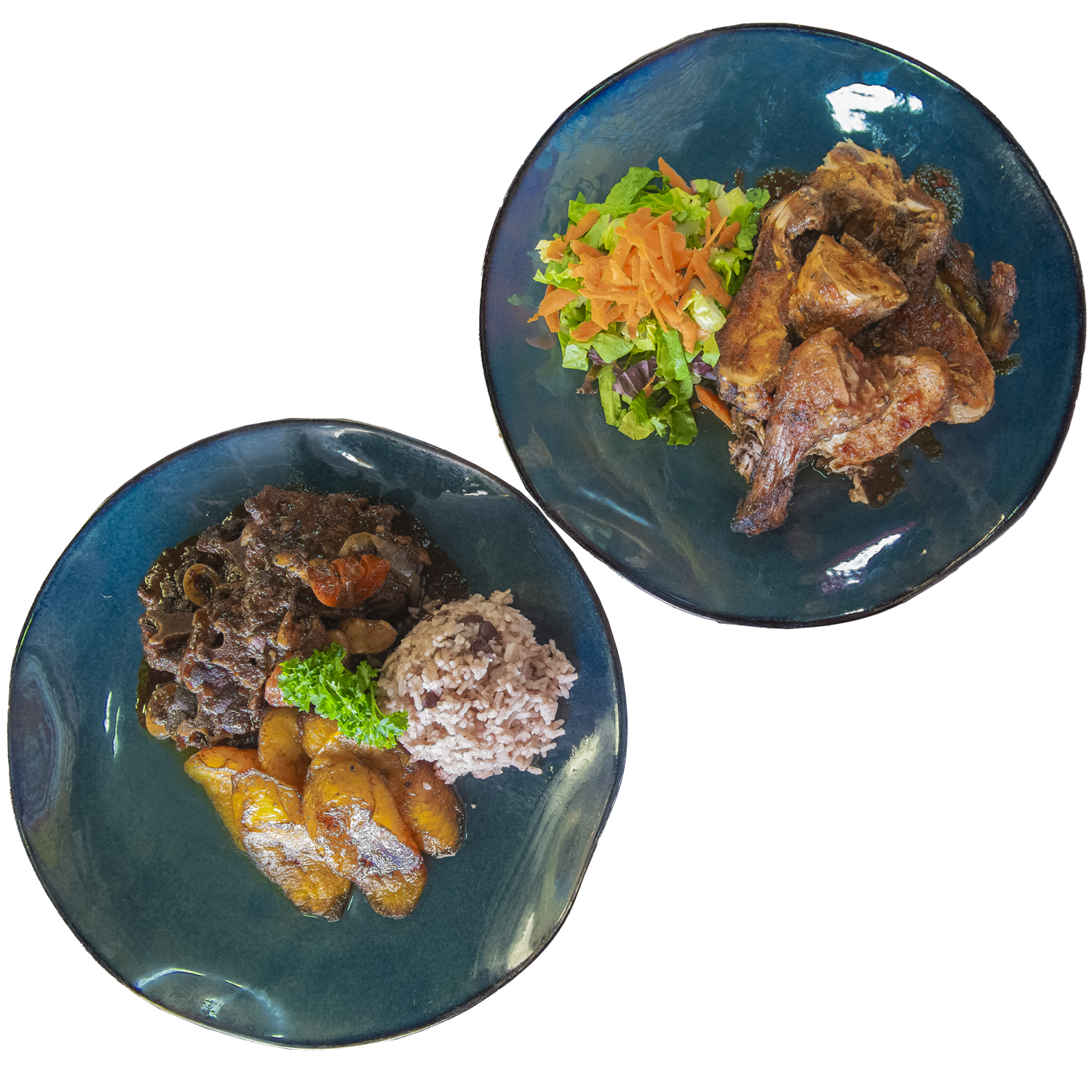
Denver is not the first city most people associate with Caribbean cooking. That usually works against it, right up until you sit down in front of a plate of deeply browned jerk chicken, rice that has actually absorbed flavor instead of just taking up space, and plantains with crisp edges and a soft center. Then the city starts to make more sense. The Caribbean food Denver does have tends to come from places cooking with conviction, often in smaller footprints, often without much fuss, and usually with a loyal following that knows exactly why it keeps returning.
The first thing worth saying is that “Caribbean food” is not one style. In Denver, that label can mean Jamaican, Cuban, Puerto Rican, Trinidadian, or a broader island-inspired menu. Those traditions overlap in ingredients, but the cooking is distinct. A good Cuban sandwich scratches a different itch than a peppery curry goat. Mofongo and oxtail sit in the same regional family, but they do not eat the same. If you want the best version of caribbean food denver can offer, it helps to know what kind of meal you are after.
Denver’s scene is still smaller than what you would find in Miami, Brooklyn, or parts of South Florida. That means two things. First, you may need to drive a little farther than you expect, especially into the wider metro area. Second, when you find a place doing the food well, it is worth ordering broadly and paying attention to the details. The difference between a decent island meal and a memorable one is often in the sides, the sauces, and whether the kitchen treats staples like beans, cabbage, and plantains as real dishes rather than afterthoughts.
What makes a Caribbean restaurant worth the trip
People often focus on the headline item. Jerk chicken gets all the attention, and for good reason, but the supporting cast tells you more about the kitchen. Rice and peas should taste of coconut, thyme, and stock, not plain white rice with red beans folded in at the end. Oxtail should be rich and sticky, not merely stewed. Plantains should arrive caramelized and soft, never dried out. If there is curry goat on the menu, the meat should be tender enough that you do not need to negotiate with it.
I have found that Denver’s better Caribbean spots also tend to show discipline with seasoning. Good island food is not just “spicy.” It is aromatic, layered, and often balanced by sweetness, acid, or smoke. Scotch bonnet heat has personality. Allspice should register in jerk. Citrus should brighten a Cuban pork preparation. Even when a restaurant simplifies things for a broader audience, you can tell when the bones of the cooking are right.
Service matters too, but not in the precious sense. The most satisfying Caribbean restaurants often feel direct, warm, and practical. You order, you wait a bit, and then you get a plate that announces itself before it lands. That kind of place can be more rewarding than a polished room with weaker food.
The Denver-area places most worth seeking out
One of the safer and more reliable entries into Caribbean flavors in Denver has long been Cuba Cuba, the local standard-bearer for Cuban cooking in a city that does not have a huge Cuban restaurant base. It is not interchangeable with Jamaican or Puerto Rican food, but it absolutely belongs in any serious conversation about island flavors in town. The appeal is its range. You can go in wanting a pressed sandwich and leave thinking about roast pork, black beans, maduros, and a rum-forward drink. The restaurant works well for mixed groups because the menu has enough recognizable anchors for cautious diners, but there is still enough character to satisfy people who know what a good Cuban meal should feel like. The trick here is not to order too timidly. Sandwiches are fine, but the fuller plates usually tell a better story.
For casual eating, Cuba Cuba Sandwicheria deserves mention too. It is a different experience, quicker and narrower by design, but useful if what you want is a weekday lunch that still carries some soul. Denver has no shortage of places where a sandwich is merely functional. A proper Cuban sandwich, by contrast, can be one of the city’s more satisfying grab-and-go meals when the bread has the right crunch and the pork is not dry.
If your priority is Jamaican food, the strongest recommendations in the Denver orbit often come from smaller, less flashy operations, including spots in Aurora and the southern suburbs rather than central Denver proper. Jamaica Grill is one name that comes up regularly when locals talk about finding honest Jamaican cooking in the metro area. Places like this matter because they tend to focus less on broad crowd appeal and more on core plates: jerk chicken, curry goat, oxtail, patties, and proper sides. When a kitchen like that is on, the food has the depth people are actually chasing when they search for caribbean food denver. It is not about novelty. It is about whether the seasoning penetrates, whether the gravy is worth dragging every grain of rice through, and whether the cabbage has been cooked just enough to keep some life.
Another name that often enters the conversation is Reggae Pot, which has built a following around classic Jamaican dishes. Restaurants in this lane can vary a bit from one visit to the next, especially if they are small and busy, but the upside is that they often deliver the flavors caribbean food denver chain operations cannot fake. If you are choosing between a “fusion” concept and a straightforward Jamaican kitchen with a shorter menu, I would usually take the shorter menu. Specialization shows. It shows in the marinade, in the stock used for rice, and in whether the kitchen knows that a beef patty should still be worth eating on a day when you are not especially hungry.
There is also value in looking beyond downtown and beyond sit-down dining. Denver’s Caribbean food scene has long relied on neighborhood spots, takeout counters, pop-ups, and community-rooted businesses that do not always dominate tourist roundups. This is especially true for food from Puerto Rican and Trinidadian traditions, which can be harder to find consistently. When you hear about a vendor doing pasteles, doubles, or a serious stewed meat plate at a market or weekend event, pay attention. In cities with smaller Caribbean footprints, some of the best cooking is not always attached to the biggest signage.
The dishes that separate the good from the forgettable
If you only order one thing, make it count. Across the Denver metro, these are the dishes that reveal the most about a Caribbean kitchen:
- Jerk chicken, because bad versions rely on surface heat while good ones go deep with smoke, allspice, thyme, and chile.
- Oxtail, because it tests patience, stock work, and whether the sauce has real body.
- Curry goat, because texture matters as much as flavor and there is nowhere to hide toughness.
- Rice and peas, because it should be savory and aromatic on its own, not a filler side.
- Plantains, because proper caramelization tells you the kitchen respects the basics.
That list is short, but it covers most of what serious diners care about. If a restaurant nails three of those five, it usually deserves a return trip.
Cuban food’s role in the broader Caribbean picture
Some diners draw a hard line between “Caribbean” and “Latin” when they talk about Denver restaurants, but on the plate the boundaries are not so neat. Cuba is Caribbean. Puerto Rico is Caribbean. The Dominican Republic is Caribbean. So when people ask where to find island flavors in Denver, Cuban cooking belongs in the answer even if it is not what they pictured first.
What makes Cuban restaurants in Denver useful is their accessibility. A plate of lechón, congri or black beans, yuca, and sweet plantains introduces the regional profile in a way that feels familiar to many diners while still carrying real distinction. Citrus, garlic, slow-roasted pork, and starchy sides done properly can be every bit as comforting as a Jamaican plate. The flavor structure is different, but the emotional register is similar. This is food built for appetite.
If you are dining with a group that includes less adventurous eaters, Cuban spots are often the easiest first stop. The menus tend to be broad enough that nobody feels stranded, and the better restaurants still reward people who know how to order. Get the roast pork. Get the beans. Get the plantains. Then start arguing over whose plate looked better.
Why Aurora matters to this search
Anyone seriously looking for the best Caribbean food in Denver should widen the map a little. Aurora, in particular, has become essential to any conversation about immigrant-owned restaurants in the metro area. Not every Caribbean place there is widely written about, and not every strong kitchen has prime downtown visibility. That is exactly why the area matters. Rent structures, neighborhood demand, and community networks often make it easier for specialized food businesses to survive outside the central core.
The payoff for diners is that you can often find food with fewer compromises. Menus may be smaller. Dining rooms may be plainer. Hours may be more limited. But you are more likely to encounter a kitchen cooking for regulars who know what the dish is supposed to taste like. That pressure creates a different standard. It is one thing to serve jerk chicken to a crowd trying it for the first time. It is another to serve it to caribbean food denver people who have strong opinions about smoke, spice, and tenderness.
What to expect from price, portion, and pace
One of the pleasures of Caribbean cooking is that it often still feels like a value, even as restaurant prices everywhere have climbed. In Denver, a proper plate lunch or dinner from a Caribbean spot usually lands in a range that feels fair relative to the labor involved. Oxtail and goat tend to cost more, as they should. Those are not cheap proteins, and they take time. Chicken dishes and sandwiches are the easier everyday entry point.
Portions are frequently generous, though not always in the way trendy restaurants talk about generosity. This is not abundance for social media. It is practical abundance. Rice to support the meat. Gravy that should not be wasted. Plantains that make sense on the plate rather than appearing as garnish. Many of these meals also travel reasonably well, which matters in a city where people are often driving from one neighborhood to another for a specific craving.
The trade-off is speed. Caribbean food can be slow food disguised as casual food. If you arrive during a rush and the kitchen is making dishes properly, you may wait. That is not a flaw. It is often a promising sign. A fresh plate of jerk chicken and sides assembled with care should take longer than a standardized fast-casual bowl.
How to order if it is your first visit
A first visit goes best when you avoid overcomplicating it. Pick one signature protein, one classic starch, and one side that seems simple enough to expose quality. That means not chasing only the most dramatic menu item. Sometimes the safest order is also the most revealing.
A practical first meal might be jerk chicken with rice and peas, cabbage, and plantains at a Jamaican spot, or roast pork with black beans and yuca at a Cuban one. If patties are available, add one. They are inexpensive, portable, and strangely diagnostic. A good patty is flaky, warmly spiced, and far more satisfying than it has any right to be.
If you love heat, ask how the restaurant handles spice rather than assuming. Some Denver kitchens tone things down by default, while others keep the fire where it belongs and let the warning come later. Hot sauce on the side is not a compromise if the food underneath is seasoned properly. What you want to avoid is food that needs the hot sauce to become interesting.
The gap between “inspired by” and the real thing
Denver has plenty of restaurants that borrow island language, tropical imagery, or rum-driven menus. Some are enjoyable. That does not automatically make them strong Caribbean restaurants. The difference is usually obvious after a few bites. Genuine Caribbean cooking leans on technique, pantry logic, and cultural memory. You taste marination time. You taste stock and simmering. You taste ingredients being asked to do what they were meant to do.
An “island-inspired” menu can still be fun, especially for drinks or a night out, but if your goal is actual Caribbean food, be selective. Look for dishes that sound specific rather than generic. Look for menus that do not flatten an entire region into mango salsa and grilled shrimp. And when in doubt, trust the restaurant that makes room for less glamorous staples. Places serious about the cuisine tend to respect beans, greens, stews, and starches as much as center-of-the-plate proteins.
Denver’s Caribbean scene rewards repeat visits
This is not the kind of dining category you conquer in one night. A lot of people try one dish at one restaurant and decide they have taken the city’s measure. That is not enough. Caribbean food reveals itself over repetition. You notice which kitchens keep their rice consistent. Which ones treat lunch service with the same care as dinner. Which dishes hold up best for takeout. Which places improve once you know how to order.
The city’s strengths are also a little uneven, and that is fine. Denver may not offer every island tradition at depth, but it does provide enough serious cooking to justify the search. You just have to approach it with realistic expectations. There may not be ten great options on one block. There may be two or three worth driving across town for, plus a few more that shine in specific categories. In a smaller scene, that is often how excellence looks.
The best way to think about Caribbean food in Denver
Think of it as a map in progress rather than a fully built district. The best Caribbean food Denver offers is spread out, shaped by small businesses, and often more personal than polished. That can be a strength. It means the city’s island flavors are not yet trapped by trendiness. They are still tied to cooks, families, and communities who care how the food lands.
If you want an easy starting point, Cuban restaurants such as Cuba Cuba give you a dependable introduction and a meal that almost always satisfies. If you want depth, seek out the Jamaican spots and neighborhood operations across the metro, especially in Aurora and beyond the downtown core. Order the dishes that require time and confidence. Pay attention to the sides. Go back to the places that season with intention.
That is where Denver gets interesting. Not in the broad claim that it has a massive Caribbean scene, because it does not. The interest is in the pockets of seriousness, the plates that arrive fragrant and generous, and the reminder that even in a high-altitude city far from the water, island cooking can still feel vivid, grounded, and completely worth the drive.
Reggae Pot Jamaican Grill
2243 S Monaco St Pkwy, Suite 104
Denver, CO 80222
(720) 410-2956
FAQ About caribbean food denver
What is a typical Caribbean meal?
Caribbean cuisines vary by island. A Jamaican meal might pair jerk chicken or oxtail with sides such as rice and peas, cabbage, or fried plantains.
What is Jamaica’s national dish?
Ackee and saltfish is widely recognized as Jamaica’s national dish. Check the current menu for availability.
Is Caribbean jerk the same as Jamaican jerk?
Jerk is a Jamaican cooking tradition associated with seasoning and slow cooking or grilling. The exact heat level and preparation vary by cook.