Caribbean Food Denver: Top Hidden Restaurants to Try
Denver does not advertise its Caribbean side loudly. You will not find a single district lined with jerk pits, roti counters, and rum bars the way you might in larger East Coast cities. What you do find, if you pay attention, is a small but deeply satisfying network of restaurants that cook with conviction. Some are tucked into strip malls. Some look modest from the curb and deliver far more on the plate than the storefront suggests. Some lean heavily Jamaican, others bring Cuban staples, and a few borrow from the wider Caribbean pantry of plantains, slow-cooked meats, rice, beans, spice, citrus, and smoke.
That is what makes the search for caribbean food denver so rewarding. The scene is not oversized, but it is personal. Meals often feel like they were built around memory rather than trend. You taste allspice, thyme, Scotch bonnet heat, coconut, black beans, braised oxtail, and sweet fried plantains, and you can usually tell within a few bites whether a kitchen has real point of view.
If you are looking for hidden restaurants worth your time, it helps to adjust your expectations. In Denver, “hidden” rarely means caribbean food denver Reggae Pot Jamaican Grill secret in the romantic sense. More often it means easy to overlook. The best meal may be sitting in a compact dining room next to a liquor store, or behind a storefront you have driven past ten times without noticing. The reward is that these places often cook with more focus and less theater. They are not trying to stage an island fantasy. They are trying to get the chicken right, braise the oxtail until it gives, and send out rice that actually tastes of the pot it was cooked in.
Why Denver’s Caribbean scene feels smaller, and more interesting, than you expect
Part of the challenge with Caribbean food in Denver is scale. The city has stronger public reputations for Mexican, Vietnamese, Ethiopian, and newer chef-driven American restaurants. Caribbean cooking exists here, but in a quieter lane. That means there are fewer options, and quality can vary from one visit to the next, especially in smaller operations where staffing and ingredient costs can hit hard.
The upside is that the restaurants that last tend to earn real loyalty. They survive because people return for specific dishes, not because a space photographs well. In practical terms, that means you should order the things a Caribbean kitchen is most likely to care about: jerk chicken with char and spice, curry goat with depth, oxtail with body, stewed beans and rice with actual flavor, and plantains that are caramelized rather than merely fried.
Another thing worth understanding is that “Caribbean” covers a broad region and many culinary traditions. Jamaican food often dominates the conversation in Denver, so diners sometimes expect every place to deliver the same set of dishes. That is a mistake. Cuban food moves differently, with roast pork, pressed sandwiches, black beans, and bright citrus notes. The broader Caribbean table also includes patties, seafood, curries, cassava, yuca, and varied rice preparations. The smartest way to eat through the city is not to demand one single Caribbean template. It is to notice what each restaurant does best and order toward its strengths.
Jamaica Grill, still one of the safest bets for bold flavor
If you ask around about caribbean food denver, Jamaica Grill comes up often for good reason. It has the kind of reputation that family-run places build over time, one plate at a time. This is usually where I point people who want a straightforward entry into Denver’s Jamaican food scene without too much guesswork.
The appeal starts with the obvious staples. Jerk chicken, when a kitchen respects it, should never taste like generic grilled chicken dusted with bottled seasoning. It needs heat, sweetness, smoke, and a little aggression around the edges. At its best, the exterior carries dark char and spice while the interior stays juicy. Jamaica Grill has been one of the more dependable places in town for that style of cooking. When the chicken is fresh out, the aroma reaches you before the plate does.
The second reason to go is range within familiarity. A good Jamaican restaurant should not force everyone to order the same thing. One person can go for jerk, another for curry goat, another for oxtail, and the table can still make sense. That matters because Caribbean meals shine when you can compare textures and sauces side by side. You want one plate with serious richness, another with peppery brightness, then a pile of rice and peas and sweet plantains to bridge the gap.
There is a practical note here that regulars already know. In smaller specialty restaurants, timing matters. Midday can mean a fresher run of the day’s staples and fewer menu disappointments. Late evenings can still be great, but if one braised item sells through, it sells through. That is not a flaw. It is often the mark of a kitchen that cooks what it can support rather than stretching every pan too far.
Reggae Pot, where the braises tend to carry the meal
Reggae Pot has built its following on comfort and depth. When people talk about dishes that stick with them, this is the kind of place they mean. The room may not announce itself dramatically, but the food often does.
For me, the measure of a Caribbean restaurant is not only the spice rub on the jerk. It is the braise. Oxtail and curry goat tell you how patient a kitchen is. They tell you whether seasoning was layered early, whether stock was reduced enough, whether the sauce clings to rice instead of sliding off it. At Reggae Pot, the slower dishes are often the reason to come. A good oxtail plate should feel complete before you even start looking for hot sauce. The meat should be tender but not stringy, and the gravy should carry enough collagen and spice to make plain rice taste seasoned.
Curry goat is another test. Weak versions taste flat, as if the curry was added late and never had time to settle into the meat. Better versions have that unmistakable rounded warmth, with savory depth first and heat following behind it. In Denver, where truly great goat is not available on every block, finding a place that handles it well is worth remembering.
The side dishes matter just as much. Rice and peas should not be an afterthought. They should hold the perfume of coconut, stock, herbs, or beans, depending on the house style. Plantains should arrive soft in the center, with dark edges that push them toward dessert without turning them into one. Cabbage, when included, should bring relief and balance. The best Caribbean plates know that not every bite should shout.
Cuba Cuba, less hidden than some, but still worth the detour
Cuba Cuba is not a secret, and it would be dishonest to present it as one. Still, in conversations about Caribbean-adjacent dining in Denver, it deserves a place because it often serves as the bridge for people moving beyond familiar Latin menus into the broader island flavor profile. It also fills a role the city needs, offering Cuban staples with enough personality to justify repeat visits.
What makes Cuban food distinct in this context is its restraint. If Jamaican food often wins people through smoke, chile heat, and dark spice, Cuban cooking tends to persuade with citrus, roast pork, black beans, garlic, pressed bread, and balance. The flavor impact is real, but it lands differently. A well-built Cuban sandwich has architecture, not just ingredients. A roast pork plate lives or dies on seasoning that gets all the way into the meat.
At its best, Cuba Cuba gives Denver diners a different doorway into Caribbean cooking. The black beans should be more than filler. The rice should be worth finishing. The pork should suggest marination and proper roasting rather than simple slicing. If you are dining with people who think they “do not like Caribbean food,” a Cuban meal is often the easiest way to test that assumption. It is familiar enough to feel accessible and distinct enough to expand someone’s frame of reference.
The reason I still count it among worthwhile stops is that hidden does not always mean obscure. Sometimes it means overlooked by people chasing only the newest opening. Restaurants that stay busy for years often do so because they hit a certain standard consistently, and consistency in a smaller niche matters.
The off-the-radar spots are usually judged by one dish
The most interesting Caribbean meals in Denver are not always found in the best-known names. They appear in modest counters, mixed-concept kitchens, and neighborhood spots that do one or two items especially well. This is where diners can make mistakes, because there is a temptation to judge a restaurant by menu size or décor. In this category, the wiser move is to identify the signature and order with discipline.
A place may offer ten mains, but only three may truly define it. Maybe the patties have flaky pastry and assertive filling. Maybe the brown stew chicken tastes like someone cared about the pan. Maybe the jerk pork carries the right balance of fat, char, and spice. Once you find the house favorite, you can build outward.
Here are the signs I watch for when trying a lesser-known Caribbean restaurant in Denver:
- A short menu with a few braised staples rather than an inflated list of everything
- Sides that receive as much attention as the meat
- Staff who can tell you what sold well that day without reading the menu back to you
- Aromas of thyme, allspice, onion, and smoke when you walk in
- A regular crowd ordering with confidence
That sounds simple, but it saves disappointment. Caribbean cooking rarely benefits from overextension. Small kitchens usually excel when they stay close to a core identity.
What to order first if you want to judge a place fairly
People often ask for the single best dish, but Caribbean restaurants do not reveal themselves through one universal order. A great jerk kitchen may be only average at sandwiches. A strong Cuban restaurant may not even play in the same lane as a Jamaican one. Still, there are a handful of dishes that tell you a lot, quickly.
- Jerk chicken, for smoke, heat, balance, and grill control
- Oxtail, for patience, seasoning, and sauce quality
- Curry goat, for depth and handling of gamey richness
- Rice and peas, for whether the kitchen respects the foundations
- Plantains, for timing and attention to the plate as a whole
That list looks basic, but the basics are the point. A restaurant that gets these right usually has its priorities in order. One that misses on several often has larger issues with seasoning, timing, or consistency.
Why sides and sauces matter more than most diners realize
One of the quickest ways to spot a mediocre Caribbean plate is to look past the protein. In Denver, where some diners are still treating this cuisine as an occasional novelty, there can be too much focus on the headline item. The supporting pieces are where craftsmanship often shows.
Rice and peas should not read as neutral starch. They should taste integrated, as though the rice actually met the beans, herbs, and aromatics in the pot, rather than being assembled after the fact. Cabbage should provide freshness and a little sweetness. Macaroni pie or mac and cheese, where offered, should feel intentional, not obligatory. Fried plantains should create contrast, softening the sharper edges of pepper and spice.
Sauce discipline matters too. Jerk sauce should not drown the bird. Curry should coat, not flood. Brown stew gravy should have enough body to carry flavor into every forkful of rice. These details are easy to miss if you are hungry and happy just to get a large plate, but they are the difference between a meal you enjoy once and a place you keep returning to.
I have had meals in Denver where the main was merely decent and the sides made me want to come back. That is not faint praise. In cuisines built around layered, communal comfort, side dishes are structural. They are not decoration.
The neighborhoods and timing that improve your odds
Because Denver’s Caribbean options are spread out, planning helps. You are often better off choosing one area and pairing your meal with other errands rather than crossing the metro area on a whim at the end of the night. Smaller operations can keep uneven hours, and sold-out dishes are part of the reality.
Lunch tends to be a strong move, especially if you are after braises or lunch specials that turn over steadily. Early dinner also works well. The riskiest plan is showing up late and assuming the full menu is still available. If your heart is set on oxtail or curry goat, a quick check of current hours or a call ahead is worth the minute it takes.
Aurora and southeast Denver have often been better bets for this style of dining than trendier central corridors, simply because strip-mall restaurants with loyal neighborhood traffic can survive there. That is not a hard rule, just a practical one. The city’s most satisfying ethnic food scenes often live where rent is slightly less punishing and regular customers matter more than passing buzz.
A word on value, because portions can fool people
Caribbean food is frequently judged by portion size first, sometimes unfairly. Yes, many plates are generous. Yes, rice can take up real space. But the best value is not always the biggest foam container. It is the plate where every element tastes considered.
A properly made oxtail dish will never be the cheapest thing on a menu, and it should not be. The cut is labor-intensive, the cooking time is long, and shrinkage is real. Curry goat can be similar. Those dishes are worth paying for when the kitchen respects them. By contrast, a mountain of dry chicken with bland rice is poor value even if it costs less.
If you are dining with someone unfamiliar with Caribbean food, sharing works well. Order one grilled item, one braise, and a couple of sides. That gives a fuller read on the kitchen and makes the meal more interesting. It also avoids the common mistake of assuming the cuisine begins and ends with jerk.
The best way to approach Caribbean food in Denver right now
The most useful mindset is curiosity with standards. Denver may not have the density of Caribbean restaurants that Miami, Brooklyn, or parts of South Florida can offer, but it does have enough quality to reward anyone willing to look beyond the obvious neighborhoods and polished dining rooms. The restaurants worth finding are usually rooted in something sturdier than trend. They know their spice cabinet. They know their braises. They know the difference between heat and flavor.
If you are starting from scratch, Jamaica Grill and Reggae Pot are sensible places to begin because they speak clearly and directly. If you want a broader island frame, Cuba Cuba remains a worthwhile part of the conversation. Beyond those, the smartest strategy is to watch where the regulars go, order the dishes that require time and care, and judge each restaurant by what it actually wants to be.
That is the real pleasure of searching for caribbean food denver. The city does not hand you a polished, one-stop scene. It asks you to notice the quieter places. When you do, you are far more likely to find a plate that tastes like someone meant it.
Reggae Pot Jamaican Grill
2243 S Monaco St Pkwy, Suite 104
Denver, CO 80222
(720) 410-2956
FAQ About caribbean food denver
What is a typical Caribbean meal?
Caribbean cuisines vary by island. A Jamaican meal might pair jerk chicken or oxtail with sides such as rice and peas, cabbage, or fried plantains.
What is Jamaica’s national dish?
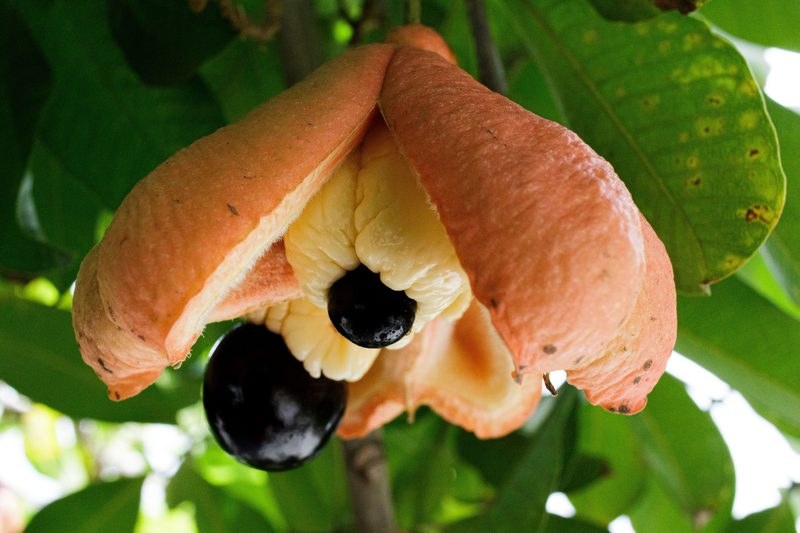
Ackee and saltfish is widely recognized as Jamaica’s national dish. Check the current menu for availability.
Is Caribbean jerk the same as Jamaican jerk?
Jerk is a Jamaican cooking tradition associated with seasoning and slow cooking or grilling. The exact heat level and preparation vary by cook.