Jamaican Food in Denver: Finding the Perfect Jerk Chicken Plate
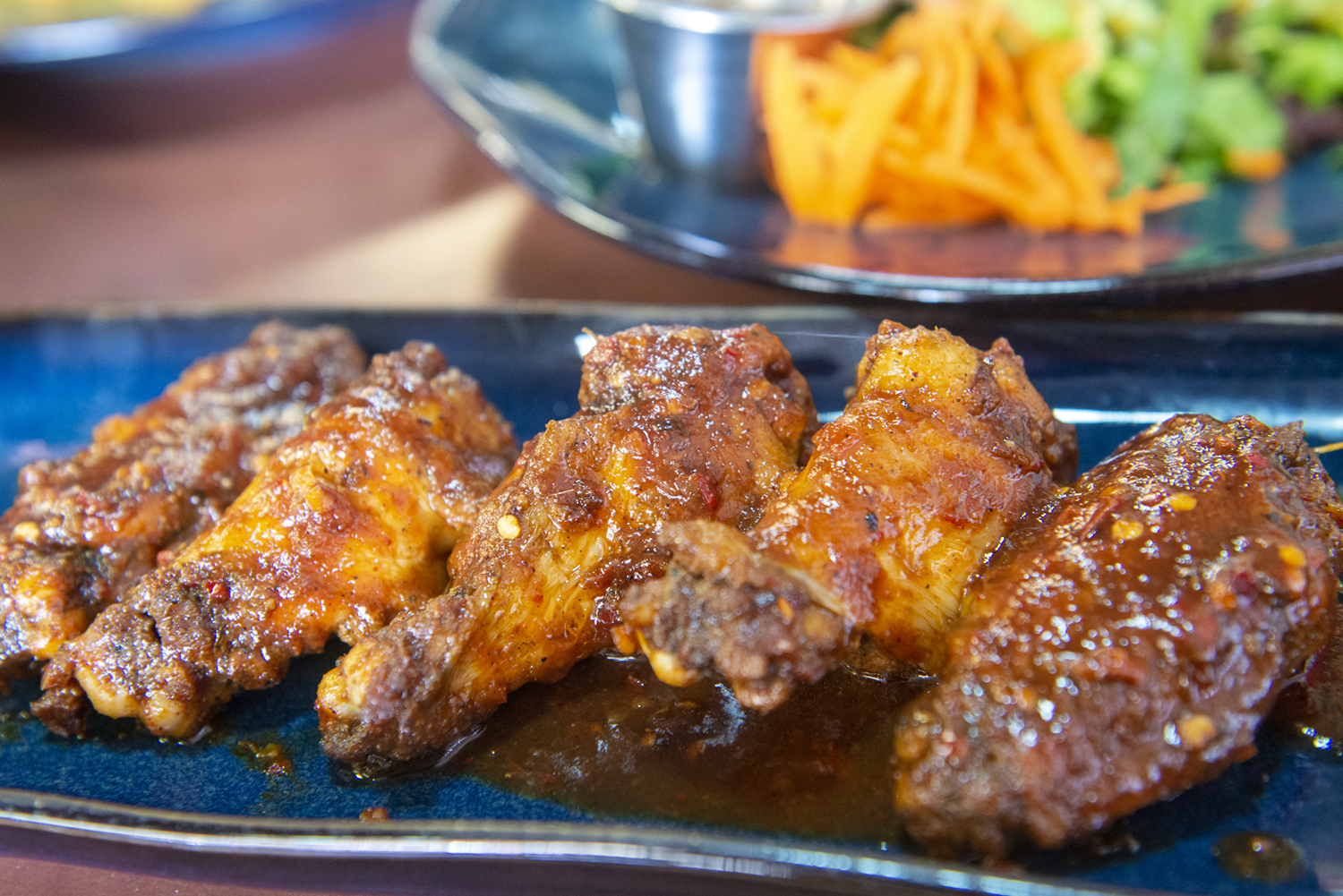
Denver is not the first city most people associate with Jamaican cooking, which is exactly why the good spots matter so much. When the craving hits, nothing else will do. You are not looking for a generic grilled chicken lunch, and you are definitely not looking for something that treats jerk seasoning like a bottle of sweet sauce. You want a plate that carries smoke, heat, allspice, thyme, scallion, and that deep savory edge that lingers after the first bite. You want rice and peas that taste like they were cooked with care, not scooped from a steam tray as an afterthought. You want a meal that feels specific.
That search is what makes Jamaican food in Denver interesting. It is not only about finding a restaurant with the right flag on the sign. It is about finding a kitchen that understands balance. Great jerk chicken has force behind it, but it is not one-dimensional. It should be spicy, yes, though not just hot for heat’s sake. It should smell faintly charred before you even lift the fork. The meat should have enough time in the marinade to pick up real flavor, and enough attention on the grill or in the smoker to develop character.
Anyone trying to find the perfect jerk chicken plate in Denver has to navigate a few realities. Menus evolve. Some places serve beautiful stewed oxtail but a flat jerk plate. Some kitchens nail the chicken and miss on the sides. Some spots are built for a fast lunch crowd, while others turn out their best food when the day slows down and the grill has settled in. The difference between an average plate and a memorable one often comes down to details that are easy to overlook.
What a proper jerk chicken plate should deliver
The word “jerk” gets used loosely. In many American restaurants, it can mean little more than spicy grilled chicken with a dark glaze. Traditional jerk is more disciplined than that. At its core, it is a seasoning method built around allspice and Scotch bonnet peppers, supported by thyme, ginger, garlic, scallion, and other aromatics. Depending on the cook, you may also pick up cinnamon, nutmeg, soy, brown sugar, vinegar, or citrus. The best versions are layered rather than blunt.
Texture matters as much as seasoning. Jerk chicken should not be soft and wet all the way through unless it has been cooked in a style meant to finish under cover. Even then, there should be some distinction between the exterior and the interior. The outside needs color and a little resistance, whether from grilling, smoking, or roasting. The inside should stay juicy. If the meat is dry, the seasoning has no place to go.
Then there are the sides, which are not filler. Rice and peas should be fragrant and tender, often with coconut milk and herbs shaping the background. Cabbage can bring sweetness and crunch, especially when it is lightly steamed rather than overcooked. Plantains can round out a plate with caramelized richness. A good jerk chicken meal is a composition, not just a protein with starch.
One of the more common disappointments in the search for Jamaican food in Denver is a plate that gets one element right and the rest wrong. It happens all the time. The chicken may have real spice, but the rice is dry. The cabbage is lifeless. The sauce is too sugary. Or the kitchen goes heavy on smoke and forgets brightness. Perfection is rare because balance is hard.
Why Denver makes this search a little different
Denver’s dining scene has matured quickly, but Caribbean food still sits in a smaller niche than Mexican, Vietnamese, Ethiopian, or barbecue. That can work in your favor. Smaller categories often attract operators who care deeply about what they are serving, partly because they know the audience can tell the difference. At the same time, it means there are fewer second chances. A city with only a handful of Jamaican spots asks more of each one.
The altitude also creates subtle kitchen challenges. This affects side dishes more than people realize. Rice behaves differently. Holding hot food over service can dry it out faster. Fried items can miss their ideal texture if timing slips. These are not impossible problems, but they reward experienced cooks and careful systems. When a Denver kitchen puts out a moist, smoky jerk chicken plate with excellent rice and peas during a busy rush, that is not luck.
Another local factor is customer expectation. Some Denver diners want clean, lean, boneless convenience. Traditional jerk chicken often delivers more than that: bone-in pieces, dark meat, stronger spice, smoke, drippings, and mess. The best restaurants know how to meet people where they are without flattening the food into something generic. Sometimes that means offering both white and dark meat. Sometimes it means adjusting spice levels at service rather than diluting the marinade itself. Sometimes it means training staff to explain what makes the dish what it is.
The first sign of a serious kitchen
You can tell a lot before the food arrives. A menu that treats jerk chicken as one signature among several strong Jamaican staples usually inspires more confidence than one where jerk is there as a trend item. If you see curry goat, brown stew chicken, oxtail, patties, coco bread, callaloo, or escovitch fish, there is a good chance the kitchen has range and context. That does not guarantee a perfect plate, but it suggests the food comes from a fuller tradition.
Aromas tell the story too. Real jerk announces itself. Even from the parking lot or sidewalk, you should catch spice and smoke, not only fryer oil. Inside, the room should smell like seasoning has had time to sink into the meat. When the dominant note is sticky sweetness, be cautious. Sweetness can belong, but it should not lead.
Service style matters more than some diners admit. Fast-casual counters can absolutely produce excellent Jamaican food in Denver, but the setup reveals priorities. A tray line with covered pans can protect moisture if it is managed carefully, though it can also soften the skin and blur textures. A grill or smoker operating close to service often yields stronger results. If you arrive late in the day, ask what was cooked most recently. That simple question can improve your odds dramatically.
How to judge the chicken itself
The first bite should answer three questions. Is the seasoning deep enough? Is the texture right? Is the heat integrated or sitting on top?
Seasoning depth is the hardest thing to fake. Surface spice is easy. A real marinade leaves flavor inside the meat, especially near the bone. That is where allspice, thyme, and chile should still register. If the interior tastes plain and the exterior carries everything, the marinating process probably fell short.
Texture depends on the kitchen’s approach. Some cooks chase a drier, darker crust. Others preserve more moisture and let the smoke do the heavy lifting. Both can work. What should never happen is rubbery skin, steamed softness, or chalky breast meat. Thighs and drumsticks tend to perform better on jerk plates because they handle high heat and holding time with more grace. If a restaurant only offers boneless breast meat, quality control has to be excellent to keep the dish compelling.
Heat is personal, but integration is objective. Scotch bonnet peppers bring not only fire but fruitiness. When the spice feels sharp and detached, like crushed red pepper dumped on top, the plate loses its identity. Good jerk builds from warm spice to savory depth to a late, clean burn.
There is also the matter of smoke. Purists often look for pimento wood, which is not always practical or available in every American market. A Denver restaurant does not need to replicate a roadside setup in Jamaica to make convincing jerk chicken, but it does need some combustion character. Char and smoke create tension against the sweetness and aromatics. Without them, the dish tastes unfinished.
Sides are where the best places separate themselves
A lot of diners treat the sides as supporting players until they get a plate where the rice and peas are exceptional. Then the whole meal changes. Proper rice and peas should absorb flavor without turning heavy. Coconut can be subtle or pronounced, but it should not taste like dessert. The peas, often kidney beans, should keep their integrity. The rice should not be greasy. If a forkful of rice tastes good on its own, the kitchen knows what it is doing.
Cabbage is often underrated on a jerk plate. When done well, it cools the palate and adds contrast. It can be lightly seasoned, with onion, carrot, and pepper working in the background. Overcooked cabbage slumps into irrelevance. Undercooked cabbage feels like an obligation. The sweet spot is tender with a little body left.
Plantains are the easiest side to love and the easiest to mishandle. Their sugars need enough heat to caramelize. If they are pale and starchy, they drag the plate down. If they are too dark and greasy, they overwhelm everything else. Good plantains bring a mellow sweetness that makes the spice in jerk chicken taste even more alive.
Mac and cheese sometimes appears as a side, especially in restaurants serving a wider Caribbean and soul food audience. There is nothing wrong with that, but it changes the plate’s center of gravity. If you want to measure a kitchen on its Jamaican foundations, rice and peas plus cabbage is the sharper test.
Ordering well, especially if it is your first visit
If you are walking into a new place specifically to evaluate the jerk chicken, a little strategy helps. You do not need to overthink it, but there are smart ways to avoid the most common mistakes.
- Ask whether the jerk chicken is grilled to order, held hot, or finished after reheating.
- Choose dark meat if the restaurant gives you the option and you want the best shot at moisture and flavor.
- Order rice and peas instead of plain rice if you want to judge the full plate.
- If spice matters to you, ask whether the heat is in the marinade, the sauce, or both.
- When available, add a patty or another house specialty only if you are prepared for a large meal and want a wider read on the kitchen.
That is not fussy ordering. It is the kind of practical approach that saves people from writing https://trentontaiu423.valoradigest.com/posts/where-to-discover-new-jamaican-food-in-denver off a restaurant after one unlucky plate served at the wrong moment.
What “perfect” really means in a city like Denver
Perfection in food is slippery. The best jerk chicken plate in Denver might not look the same at every restaurant. One kitchen may lean heavily into smoke and char. Another may deliver a juicier, more marinade-forward version with gentler heat. One spot may serve textbook rice and peas with excellent cabbage. Another may pair very good chicken with standout plantains and a punchy house sauce that makes the whole thing memorable.
So the goal is not to hunt for a single, universal standard. It is to know what trade-offs you are willing to make. If you love aggressive smoke and can forgive slightly softer skin, you will rate plates differently than someone who prizes crisp edges and clean, bright heat. If you care deeply about side dishes, a restaurant with merely good chicken and excellent rice may become your regular place over one with superior meat but weak accompaniments.
That is the mature way to approach Jamaican food in Denver. Not as a checklist of authenticity points, but as a search for integrity, craft, and flavor. The strongest restaurants are the ones making deliberate choices and executing them consistently.
Clues hidden in the rest of the menu
Even if you came only for jerk chicken, the surrounding menu gives useful context. Curry goat, for example, tells you something about spice handling and patience. A kitchen that can build a deep, fragrant curry likely understands seasoning beyond heat. Brown stew chicken reveals how the restaurant manages sweetness, browning, and gravy. Oxtail says a lot about discipline because it punishes shortcuts.
Patties are another revealing item. A flaky crust and well-seasoned filling signal care with small things. That tends to carry over. The opposite is also true. A dry, underwhelming patty can hint at a kitchen that does not sweat details, which is never a good sign when you are ordering something as detail-sensitive as jerk chicken.
Drinks can shape the experience too. A ginger beer with real bite, a sorrel when available, or even a simple fruit beverage can balance a spicy plate better than soda. This is not a minor point. Pairings affect how harsh or harmonious the heat feels.
Timing can make or break your meal
This is one of the least glamorous truths in restaurant dining: some dishes are better at certain hours. Jerk chicken often shines when it is freshest off the grill or when the kitchen is in its groove but not overwhelmed. Arrive too early, and the line may not be fully dialed in. Arrive too late, and holding time may dull the texture. A busy lunch can go either way, depending on the restaurant’s volume and systems.
In practice, the safest windows tend to be peak service with enough turnover to keep food moving, or early evening when the dinner crowd has started but the kitchen is still composed. Weekends can be especially strong in places that prepare larger batches and expect heavier traffic. That said, a restaurant that performs well only in one narrow window is not truly excellent. The top places are the ones you can trust on an ordinary Tuesday.
If you are serious about finding your go-to spot, revisit before making a final judgment. A single meal can be misleading. Great restaurants have off days. Average ones have lucky moments. Two visits, ideally at different times, will tell you more than any online ranking.
What locals often get wrong
Denver diners sometimes chase the hottest plate they can find, assuming more fire equals more authenticity. It does not. Jerk without aroma is just punishment. Others focus entirely on portion size. A heavy plate feels like value, but a generous serving of dry chicken and bland rice is still a poor buy. There is also a habit, common everywhere, of judging a restaurant based only on delivery. Caribbean food can travel decently, but jerk chicken loses something in a closed container. Steam softens crust. Sides blur together. If you want a fair read, eat it on site at least once.
Another mistake is treating every Jamaican restaurant as interchangeable. They are not. Some operate with family recipes and years of refinement. Others are newer and still finding consistency. Some are strongest in stews and braises, with jerk as a solid secondary option. Others built their reputation on the grill. Once you recognize these differences, your ordering becomes sharper and your expectations more realistic.
The plate worth driving across town for
The perfect jerk chicken plate is the one that makes you slow down after the first few bites. You notice the smoky edge first, then the sweetness of caramelized onion or pepper in the marinade, then the warmth of allspice, then the steady, rising heat. The rice and peas are not there to pad the box. They have their own fragrance and structure. The cabbage is fresh enough to reset your palate. Maybe there is a spoonful of sauce on the side, maybe not. Either way, the plate feels complete.
That kind of meal does exist in Denver, but it usually reveals itself to diners who know what to look for. Not hype. Not giant portions. Not a menu description full of buzzwords. Real seasoning, real smoke, and sides made with respect. Once you find a place that delivers those things consistently, you stop asking where to get jerk chicken and start planning when you can go back.
The search for Jamaican food in Denver is worth the effort because a great jerk chicken plate offers something many city meals do not. It is bold without being crude, comforting without being dull, and rooted in tradition without needing to announce itself. When a kitchen gets it right, you taste confidence. That is the plate to chase.
Reggae Pot Jamaican Grill
Address: 2243 S Monaco St Pkwy #104, Denver, CO 80222
Phone number: +17204102956
FAQ About Jamaican Food Denver
What is typical Jamaican food?
Typical Jamaican food features bold, vibrant flavors created by blending African, Taino, European, and Asian influences.
What is a famous Jamaican dish?
Ackee and saltfish is Jamaica's national dish, made by sautéing the soft local ackee fruit with salted cod, onions, tomatoes, and spicy Scotch bonnet peppers.
What food is most popular in Jamaica?
The most popular and famous food in Jamaica is Jerk Chicken, celebrated worldwide for its smoky, spicy flavor.