Jamaican Food in Denver: Restaurants Serving Island Classics
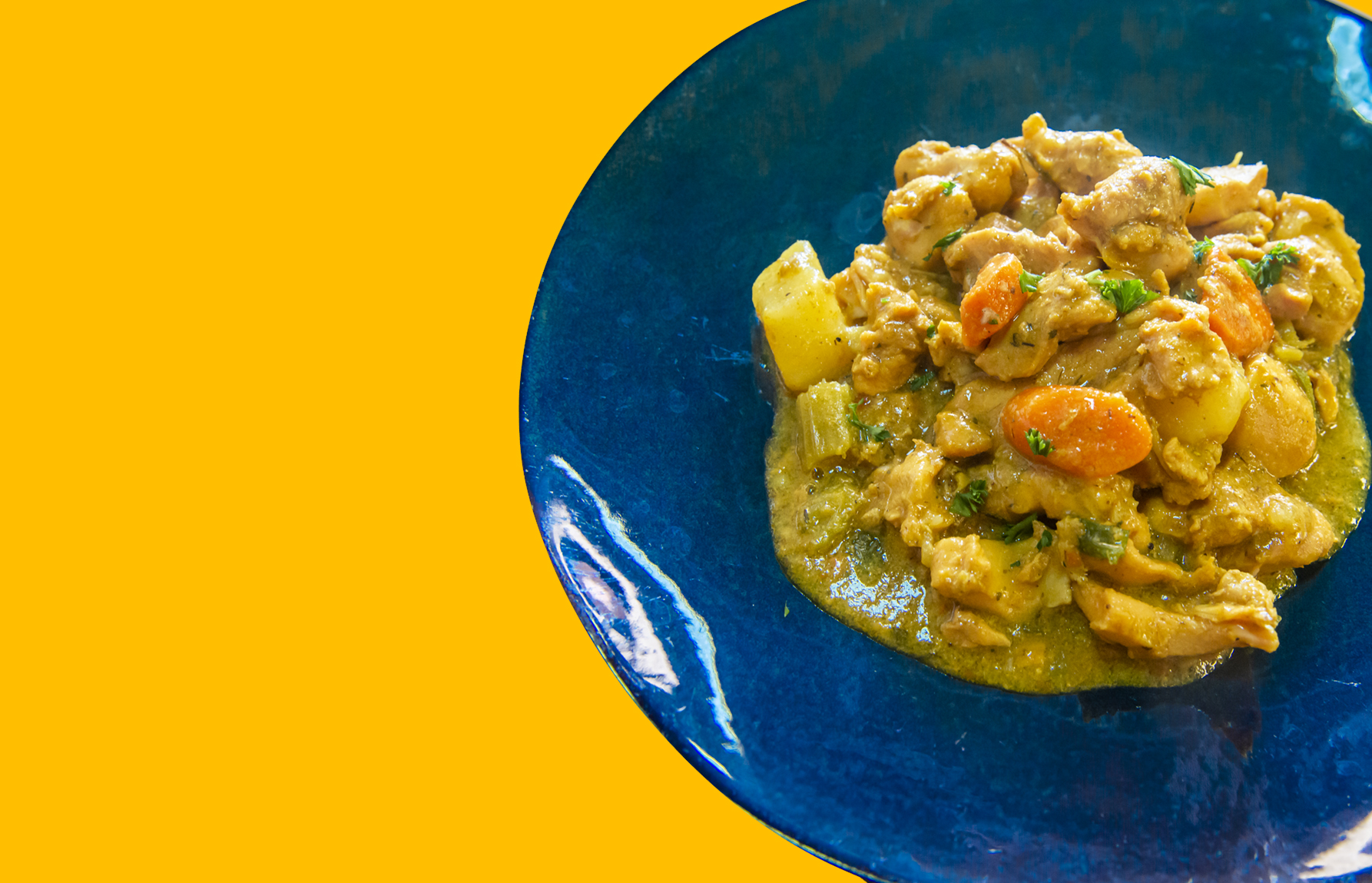
Finding excellent Jamaican food in Denver takes a little intention. This is not a city where every neighborhood has a jerk shack on the corner, and the local Caribbean scene is smaller than what you might find in South Florida, New York, or parts of Toronto. Still, the food is here if you know what to look for. Across Denver and the surrounding metro, cooks are turning out the dishes people actually crave, jerk chicken with real heat and smoke, oxtail that gives up at the touch of a fork, curry goat with depth rather than just color, rice and peas that taste of coconut and thyme, and patties that do the hard job of being both flaky and sturdy.
That matters because Jamaican food is easy to flatten into a few clichés. Plenty of menus throw the word “jerk” around, but true Jamaican cooking depends on balance and patience. Scotch bonnet heat, allspice, fresh thyme, scallion, ginger, garlic, pimento, browning sauce, slow braising, charcoal or grill smoke, and the right sides all play a role. A good plate carries aroma before you even pick up a fork.
If you are specifically searching for jamaican food denver, it helps to approach the city on its own terms. Denver’s best options are often family-run, spread beyond the urban core, and sometimes attached to food trucks, takeout counters, or hybrid Caribbean menus rather than large formal dining rooms. Hours can be narrower than you expect, and menu availability can shift, especially for labor-heavy dishes like oxtail and goat. The upside is that when you find a kitchen doing it right, the food often feels personal rather than mass-produced.
What Denver does well with Jamaican food
Denver’s Jamaican and Caribbean restaurants tend to shine where the cooking rewards time. That means braises, marinades, stews, and dishes that hold their own during takeout. Jerk chicken is the obvious benchmark, but it is not the only one. Some of the strongest plates in town are the less flashy ones, brown stew chicken with rich gravy, cabbage cooked until sweet and soft, fried plantains that arrive caramelized at the edges, and a scoop of rice and peas that ties the whole meal together.
The city also has a practical advantage. Because many Denver diners order Jamaican food for lunch or carryout, restaurants here often get very good at consistency. A meal packed into a to-go box should still feel complete when you open it 20 minutes later. Good Caribbean kitchens understand that. They season assertively, portion generously, and build plates that travel well.
What Denver does not always offer is breadth. You may not find every island classic at every stop. Ackee and saltfish, rundown, escovitch fish, mannish water, and hard dough bread are less common than jerk chicken or curry goat. Dessert can be hit or miss too. Some places do rum cake or sweet potato pudding beautifully, while others keep sweets simple or skip them altogether. That is not necessarily a flaw. It just means the smart move is to order for the strengths of each kitchen rather than expecting every menu to cover the entire Jamaican canon.
The dishes worth chasing first
For anyone exploring Jamaican food in Denver for the first time, a few dishes tell you quickly whether a kitchen understands the fundamentals.
Jerk chicken should smell alive. You want smoke, spice, and a dark exterior with some char, not just grilled chicken dusted with chili powder. The heat does not have to be punishing, but it should be present. More important, the seasoning should penetrate the meat. If the flavor lives only on the skin or surface, the marinade did not do its job.
Oxtail is the other litmus test. It should come in a glossy, savory gravy, usually with butter beans, and the meat should be deeply seasoned all the way through. Good oxtail costs money, which is why it is often one of the higher-priced items on the menu. When done right, though, it earns the premium. This is not a dish you rush. You braise it until connective tissue turns silky and the broth carries a concentrated beefiness softened by aromatics and spice.
Curry goat separates careful kitchens from careless ones. Goat can become gamey, dry, or muddy if the spice blend and cooking time are off. The best versions have a layered flavor, earthy but clean, with enough curry to make itself known without drowning everything else. Potatoes are common, though not universal, and the gravy should be substantial enough to spoon over rice.
Then there are the supporting players, which are often the difference between a good meal and a forgettable one. Rice and peas should be aromatic, not bland filler. Plantains should taste ripe. Cabbage should bring sweetness and texture. Festival, if offered, deserves attention too. That lightly sweet fried dough has a way of making a spicy plate feel complete.
Reggae Pot and the appeal of a focused menu
One of the names that comes up regularly in conversations about Jamaican food around the Denver area is Reggae Pot. Part of its appeal is that it leans into the dishes people actually come for rather than trying to be all things to all diners. When a restaurant keeps its attention on jerk preparations, braised meats, patties, and classic sides, the kitchen usually has a better chance of staying consistent.
That kind of focus matters with Jamaican food because technique shows. A restaurant can hide a weak sauce under melted cheese or stack a sandwich with enough toppings to distract you. It is harder to fake a plate of jerk chicken with rice and peas. The seasoning, tenderness, and side dishes all have to stand on their own. Places that build their reputation on straightforward island plates often end up being the most satisfying.
If you go to a spot like this, order with purpose. Jerk chicken is the baseline. Oxtail, if available, is the splurge. A patty on the side is worth it if the pastry looks fresh rather than dry. If you see sorrel or a house-made ginger drink, that is often a good sign as well. Beverage programs in small Caribbean restaurants can tell you a lot about whether the kitchen is preserving habits from home or simply borrowing a flavor profile for effect.
Where broader Caribbean restaurants fit into the picture
Not every worthwhile stop in Denver is strictly Jamaican. Some restaurants operate under a broader Caribbean banner, and a few fusion-leaning places borrow heavily from Jamaican ingredients and techniques. That can still make for a very good meal, but it helps to know the difference between a restaurant grounded in Jamaican home cooking and one that uses island flavors more loosely.
Bang Up to the Elephant!, for example, has long been part of the city’s Caribbean conversation, though it is not a traditional Jamaican restaurant in the narrow sense. Places like that can be fun, especially for cocktails, a livelier dining room, or a wider social outing. The trade-off is that a more eclectic concept may not deliver the same laser-focused version of jerk, curry, and braised meats that a dedicated Jamaican kitchen does.
There is room for both approaches. Some nights call for a plate lunch and a container of extra gravy to take home. Other nights call for a downtown meal where Caribbean influence shows up across small plates and drinks. If your goal is specifically jamaican food denver, though, it is worth keeping your expectations aligned with the concept. A Caribbean-inspired restaurant can satisfy a craving for spices and tropical ingredients, while a traditional Jamaican kitchen satisfies a craving for the dishes themselves.
Why jerk is harder than it looks at altitude
Denver’s altitude changes cooking in subtle but real ways, especially for grilled and smoked meats. Moisture behaves differently, and meats can dry out faster if the cook is not paying attention. That matters with jerk chicken. The ideal version has a dark, fragrant crust and juicy meat beneath it, with enough smoke to deepen the spice blend without turning bitter.
In a city like Denver, restaurants that do jerk well have usually figured out their own adaptation. They may marinate longer, baste more aggressively, finish dark meat separately from white meat, or favor cuts that stay moist under high heat. That is one reason leg quarters and thighs often outperform boneless chicken breasts on Jamaican menus. Dark meat stands up better to the seasoning and the grill.
For diners, the practical lesson is simple. If the restaurant offers jerk in different formats, such as wings, quarters, or boneless pieces, the bone-in dark meat option is often the safest order. It carries flavor better and forgives small variations in timing. If you like serious heat, ask whether they have extra jerk sauce or pepper sauce on the side rather than assuming the kitchen wants every plate to be fiery by default. In many restaurants, especially those serving a broad audience, the standard plate is calibrated to remain accessible.
The sides are not filler
One mistake people make when ordering Jamaican food is treating the sides as an afterthought. In a proper plate, the sides are structural. Rice and peas absorb gravy and cool spice. Cabbage adds sweetness and softness. Plantains bring caramel notes that make savory dishes taste rounder. Macaroni and cheese, when present, is not necessarily traditional in every Jamaican context, but in many Caribbean-American restaurants it has become part of the comfort-food spread and can be very good when done with restraint.
I usually tell people to pay attention to the rice first. If the rice and peas are bland, dry, or disconnected from the rest of the plate, the meal will struggle no matter how strong the protein is. The best versions smell of coconut milk, scallion, and thyme. They should taste seasoned on their own. If you find yourself scraping up every grain under a spoonful of oxtail gravy, that is a kitchen that understands proportion.
Plantains are another small test. They should be ripe enough to sweeten, but not so collapsed that they turn greasy. A properly cooked plantain gives you browned edges, a soft center, and just enough chew to hold shape. It sounds simple. It rarely is.
Takeout is often the smartest way to order
A large https://blogfreely.net/galairvoxt/jamaican-food-in-denver-top-rated-spots-for-island-favorites share of Jamaican food in Denver is eaten out of takeout containers, and that is not a compromise. In many cases, it is the ideal format. Braised dishes settle well. Rice catches sauce. Fried items stay respectable if the drive is short. Portions tend to be generous, which means one order can become lunch plus dinner if you add a side or two.
There are a few practical moves that improve the experience:
- Call ahead for oxtail or curry goat, especially later in the day, because popular items can sell out.
- Ask how spicy the jerk actually runs, then request extra sauce separately if you want more heat.
- If patties are available, eat them early, while the pastry still has some flake.
- Reheat braised dishes gently, covered, so the gravy stays silky instead of breaking.
- Order one extra side of rice and peas if you are sharing, because the sauce-to-rice ratio disappears fast.
That kind of ordering sounds obvious until you get home with one container of jerk chicken and realize nobody at the table planned for enough starch to go with it. Jamaican meals are at their best when the components support each other.
What to expect on price
Jamaican food can look deceptively simple on the plate, but several signature dishes are labor-intensive and increasingly expensive to produce. Oxtail in particular has become costly across the country. Goat is not cheap either, and a proper marinade uses a serious amount of fresh seasoning. So while a jerk chicken plate may still offer solid value, it is normal for braised specialties to cost more than casual diners expect.
That does not mean restaurants are overcharging. It usually means they are dealing with real ingredient costs plus the long cooking times the food requires. If a plate comes with rice, vegetables, and a meaningful portion of meat, the value can still be strong even at a higher price point. In Denver, where restaurant costs are not exactly low, those economics are hard to escape.
The better way to think about it is this: Jamaican food should feel generous, comforting, and satisfying, but not necessarily cheap. If the meat is tender, the seasoning is deep, and the portions leave you with leftovers, you are often getting fair value even if the ticket runs higher than a standard fast-casual lunch.
A note on heat, authenticity, and audience
People love to argue about authenticity, usually in ways that flatten what cooks actually do. Jamaican food, like any living cuisine, changes with geography, ingredient access, and the preferences of the people being fed. A restaurant in Denver may make certain adjustments for supply chains, local dining habits, or staffing realities. That does not automatically make the food less real.
The more useful question is whether the cooking has integrity. Does the jerk taste marinated and smoked, or merely spicy? Does the oxtail carry the depth of a long braise? Are the sides seasoned with care, or treated like cafeteria placeholders? Those are better measures than whether every recipe aligns perfectly with one household memory from Kingston, Montego Bay, or St. Elizabeth.
That said, audience calibration is real. Some Denver restaurants dial heat down because they know a broad customer base will not tolerate the level of pepper many Jamaicans consider normal. If you grew up eating serious Scotch bonnet fire, ask for the hot stuff. Many kitchens keep extra pepper sauce or a hotter version of jerk seasoning for people who know what they are asking for.
The best way to explore Jamaican food in Denver
The strongest strategy is not to hunt for one mythical perfect restaurant and stop there. It is to learn the specialties of a few places and order accordingly. One kitchen may do the most balanced curry goat. Another may have the superior jerk marinade. A third may be where you go for patties, cocoa bread, or a tray of comforting sides. Denver rewards that kind of practical, repeat-customer approach.
This is also a city where food trucks, pop-ups, and small family operations can matter as much as brick-and-mortar addresses. Social media often becomes the notice board for specials, sold-out items, and temporary location changes. That may frustrate diners who want a polished, fully standardized experience, but it can also be part of the charm. Some of the most memorable Jamaican food I have had in smaller markets came from places that looked modest and operated with limited hours, but cooked with complete confidence.
If you are planning a first sweep through the scene, start with jerk chicken and a braised dish on separate visits. That lets you see both sides of a kitchen’s skill set, live-fire seasoning on one hand, long-simmered depth on the other. Add a patty, check the rice and peas, and notice whether the cabbage and plantains feel intentional. By the second or third visit, you will know whether the place is worth making part of your regular rotation.
Denver’s Jamaican scene is still worth the search
The local market for Jamaican food may be smaller than some diners hope, but the reward for seeking it out is real. Denver has enough serious Caribbean cooking to satisfy people who know the classics and to give newcomers a proper starting point. The best meals are not trying to imitate a trend or soften every rough edge. They lean into smoke, pepper, thyme, gravy, sweetness, and slow cooking. They understand that a plate of jerk chicken or oxtail is supposed to feel hearty, fragrant, and complete.
For anyone typing jamaican food denver into a search bar, that is the perspective worth keeping. Look beyond polish. Check where the regulars go back for curry goat. Notice which places treat rice and peas with respect. Be willing to drive a little farther than downtown if the payoff is better cooking. The city may not have the largest Jamaican footprint, but when the seasoning is right and the gravy soaks into the rice, Denver can deliver the island classics just fine.
Reggae Pot Jamaican Grill
Address: 2243 S Monaco St Pkwy #104, Denver, CO 80222
Phone number: +17204102956
FAQ About Jamaican Food Denver
What is typical Jamaican food?
Typical Jamaican food features bold, vibrant flavors created by blending African, Taino, European, and Asian influences.
What is a famous Jamaican dish?
Ackee and saltfish is Jamaica's national dish, made by sautéing the soft local ackee fruit with salted cod, onions, tomatoes, and spicy Scotch bonnet peppers.
What food is most popular in Jamaica?
The most popular and famous food in Jamaica is Jerk Chicken, celebrated worldwide for its smoky, spicy flavor.