Must-Visit Restaurants for Jamaican Food in Denver
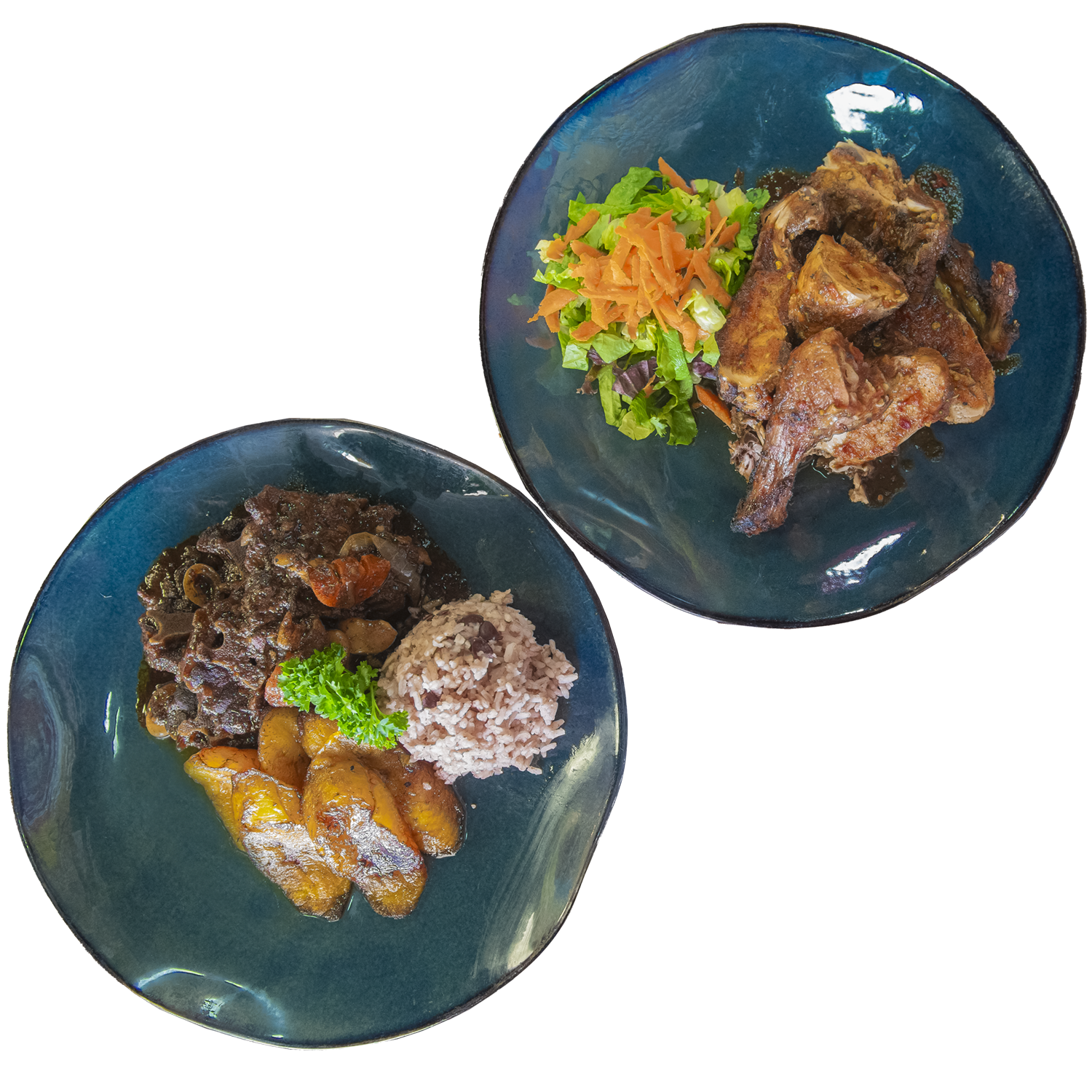
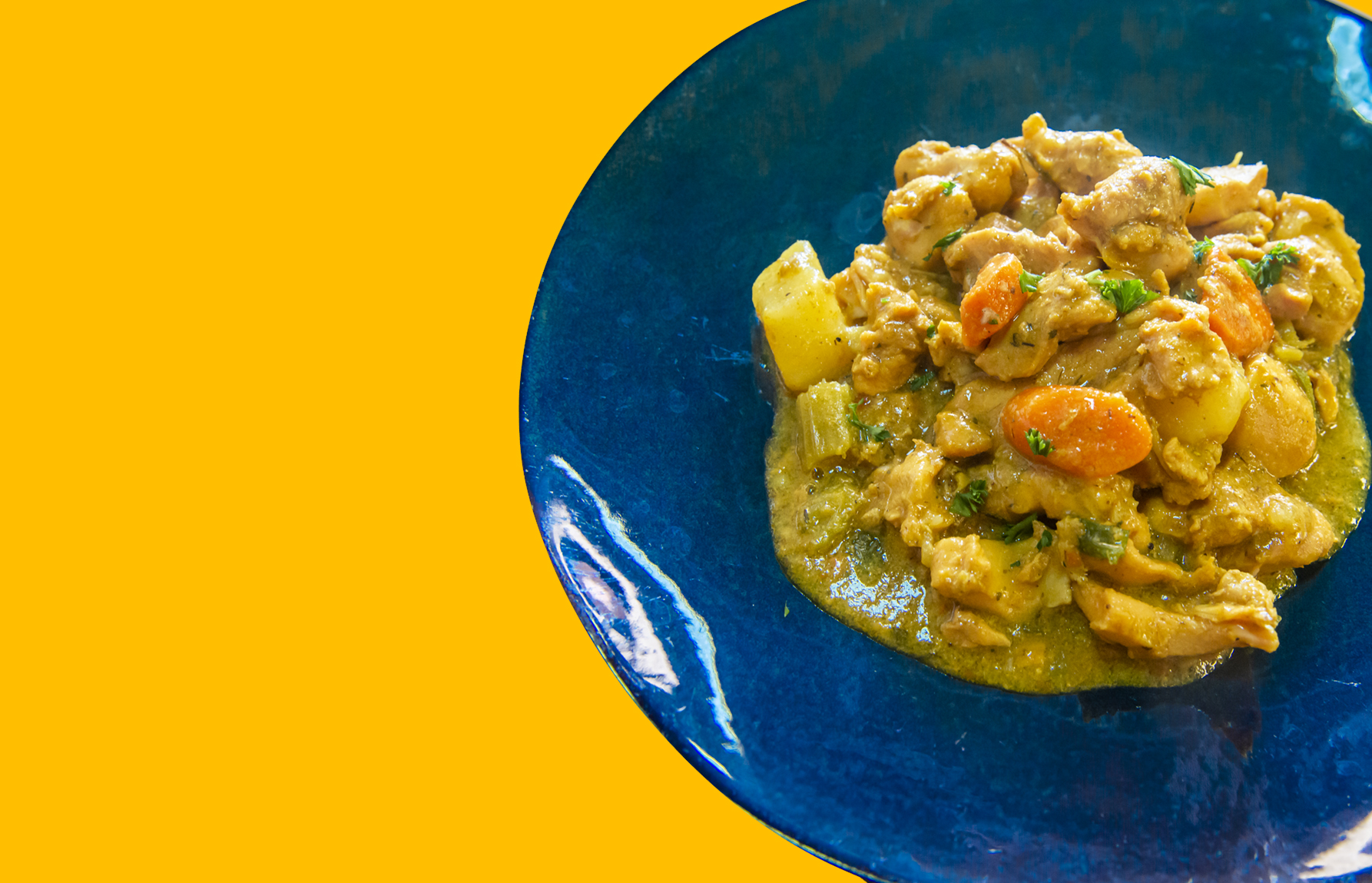
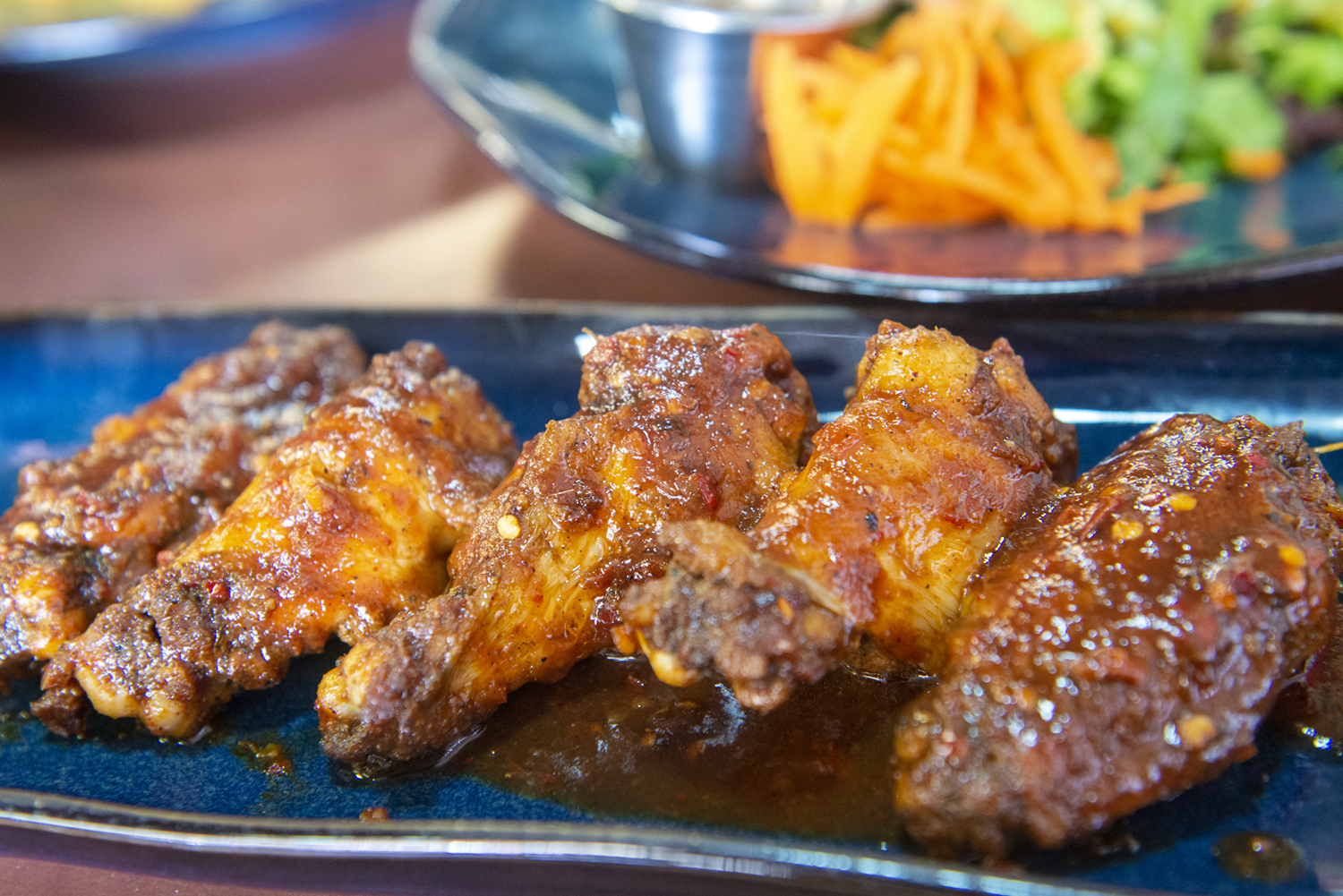
Denver does not have the largest Jamaican dining scene in the country, and that is exactly why the good places matter so much. When you find a restaurant that gets the balance right, smoke, heat, sweetness, thyme, scallion, allspice, and that slow-cooked depth that makes a braised oxtail feel almost glossy, you remember it. You go back. You tell people. In a city where diners can choose excellent Mexican, Vietnamese, Ethiopian, and barbecue on almost any given night, Jamaican food has to work harder to earn a regular spot in the rotation.
The upside is that the best spots for jamaican food denver diners talk about tend to be places with personality. They are not trying to flatten the cuisine into something generic. You can usually tell within a few bites whether the kitchen understands what makes Jamaican cooking so compelling. Rice and peas should taste like more than a side. Jerk should carry actual spice and smoke, not just sweetness. Curry goat should have body and savor, not a thin, rushed sauce.
If you are hungry for that kind of meal in Denver, a few restaurants stand out for good reason.
What separates a memorable Jamaican restaurant from an average one
Before getting to specific restaurants, it helps to know what to pay attention to. Jamaican food rewards patience and seasoning. It is not cuisine that shines when corners get cut. A kitchen can hide a mediocre sandwich under a strong sauce. It cannot hide bland brown stew chicken or dry jerk.
The first tell is aroma. A strong Jamaican kitchen smells alive before the plate even lands. You should catch spice in the air, especially pimento, ginger, garlic, thyme, and Scotch bonnet. The second tell is the sides. Restaurants that put care into cabbage, plantains, festival, and rice and peas usually put care into the proteins too. The third tell is texture. Jerk chicken should have charred edges and juicy interior meat. Oxtail should pull apart with almost no resistance, but still hold structure. Patties should stay flaky rather than limp.
Price matters too, but not in the way many people expect. Jamaican food often involves long marination, slow braising, and labor-heavy prep. A plate that seems expensive at first glance can still be a fair value if it is generous, balanced, and satisfying enough to cover lunch the next day. That is often how the better places in Denver operate. Portions tend to be substantial, especially with oxtail and combination plates.
Reggae Pot Jamaican Grill
If you ask around about Jamaican food in Denver, Reggae Pot is one of the first names that comes up, and that is not an accident. It has built the kind of reputation that only comes from consistency. The food is the draw, but the deeper appeal is that the cooking feels rooted rather than stylized. You come here for food that is meant to comfort and hit hard, not for a polished interpretation designed mainly for photos.
The jerk chicken is often the benchmark order. At its best, it arrives with the kind of dark, slightly sticky exterior that promises flavor before you even cut into it. Good jerk should not read as one-note heat. It should move between spice, smoke, sweetness, and herbaceous lift. Reggae Pot tends to understand that balance. The heat level can catch first-time diners off guard if they are used to mild versions elsewhere, but that is part of the point. Jerk is supposed to have presence.
The oxtail is another dish that earns repeat visits. In many Caribbean restaurants, this is the plate that reveals whether the kitchen has discipline. Oxtail takes time, and diners can taste when a restaurant has tried to rush it. A proper version lands rich but not greasy, with a deeply seasoned gravy that seeps into the rice and peas and improves every forkful around it. When Reggae Pot is on form, this is exactly what happens. You start by focusing on the meat, then realize the sauce has quietly taken over the whole plate.
I also pay attention to the cabbage in places like this, because cabbage often exposes whether the kitchen respects the supporting cast. At better Jamaican restaurants, it is not an afterthought. It should retain a little bite and carry seasoning of its own, rather than functioning as bland filler. Reggae Pot generally gets that right.
The trade-off here is that popularity can create waits, and service tempo may not always align with diners who want a fast, frictionless chain-style experience. That is not necessarily a flaw. It is simply worth knowing. If you show up at peak hours, patience helps. This is a good place to visit when you actually want a meal, not when you are trying to inhale something in twelve minutes between errands.
Jamaica Grill
Jamaica Grill is another strong stop when you want a fuller picture of what Denver’s Jamaican restaurant scene can offer. What stands out here is range. A menu matters most when the kitchen can execute across categories, and that means more than doing one protein well. It means showing command over curry, stew, fried items, sides, and patties, while still keeping the food coherent.
The curry goat is often where I would start. Curry goat should have a rounded flavor profile, not just dry spice dumped into sauce. The best versions develop a mellow heat and almost earthy depth from time spent in the pot. When done properly, the meat gives way without feeling mushy, and the curry coats the rice rather than pooling thinly underneath it. Jamaica https://cristianktug052.oakmontscope.com/posts/jamaican-food-in-denver-a-delicious-guide-to-caribbean-eats Grill has earned attention because dishes like this feel deliberate. They are not just checking a menu box.
Brown stew chicken can be an especially smart order here if you prefer something savory and soulful over something aggressively spicy. It is one of those dishes that does not always get the same praise as jerk or oxtail, but it deserves more respect. A well-made brown stew carries sweetness from caramelized onions and peppers, richness from the braising liquid, and enough acidity or pepper to keep the whole thing from tasting heavy. It is also one of the best dishes for reading a kitchen’s seasoning instincts. If the stew tastes layered, the restaurant probably understands the cuisine.
Patties are another reason to pay attention to Jamaica Grill. A good patty should feel portable and complete, crisp enough outside, seasoned enough inside, and satisfying even when you are not sitting down for a full plate. In many cities, patties are the true everyday food, the item people grab between obligations or on the way home. A restaurant that treats patties seriously usually understands the casual side of the cuisine, not just the dinner-plate side.
What I appreciate most about Jamaica Grill is that it can work for different kinds of diners. If you are introducing someone to Jamaican food, there are accessible dishes that still feel authentic. If you already know the cuisine and care about details, there is enough depth to reward a closer read of the menu.
The Jerk Pit in Aurora
Strict city-line purists may point out that Aurora is not Denver, and that is technically true. Anyone who actually eats around the metro, however, knows that the lines blur quickly, especially when a restaurant is good enough to justify the drive. The Jerk Pit belongs in this conversation because people chasing strong Caribbean flavors in the Denver area routinely end up there.
As the name suggests, jerk is central. That focus can be a blessing because some restaurants spread themselves too thin. When a place builds identity around one style of cooking, it often sharpens execution. The jerk chicken here tends to draw attention for its assertive spice and grilled character. This is food with edges. If you prefer a tame, sweet-leaning jerk made for broad comfort, it may read intense. If you want something closer to the real point of jerk, fragrant, fiery, smoky, this kind of approach makes sense.
One thing I have learned over the years with Jamaican restaurants is that the best jerk plates rarely work alone. They need the plate architecture around them. Rice and peas bring calm and substance. Plantains soften the heat with sugar and caramel. Cabbage gives relief and texture. Sauce ties the parts together. At The Jerk Pit, that total-plate experience is what makes the trip worthwhile. You do not just remember the protein. You remember how the whole meal ate.
This is also the kind of place where spice tolerance matters. I have seen diners confidently order the hottest thing on the menu because they assume they know what they are getting, then spend the rest of the meal reaching for extra drink refills. Scotch bonnet heat is aromatic and delicious, but it is not abstract. Ask questions if you are unsure. A good restaurant would rather guide you to the right plate than watch you suffer through the wrong one.
Why Denver’s Jamaican scene rewards repeat visits
One interesting thing about eating Jamaican food in Denver is that it tends to be less trend-driven than many other dining categories. You do not see the same flood of concept openings, flashy soft launches, and branding-first restaurant rollouts. That often means the places that survive do so because people genuinely return. They are earning loyalty through food, not novelty.
That dynamic changes how you should approach the category. Instead of trying to hit every spot once for the sake of variety, it often makes more sense to revisit the stronger restaurants and order differently each time. Jamaican menus can reveal themselves slowly. Your first trip might be all about jerk chicken. The second might show you that the real sleeper hit is curry goat. The third might convince you that the fried plantains and patties deserve as much attention as any entree.
I have found that this is especially true in smaller food scenes. The more often you return, the more you notice which places maintain quality on busy nights, which side dishes stay consistent, and which cooks seem to understand balance rather than simply using salt and chile for impact. That kind of judgment matters if you are serious about finding the best jamaican food denver has to offer.
What to order if it is your first visit
If you are walking into one of these restaurants for the first time, there is a smart way to do it. Start with the dishes that reveal a kitchen’s range rather than jumping straight to the most expensive plate.
- Jerk chicken, for seasoning and grill character
- Oxtail, for patience, gravy, and overall depth
- Curry goat, for tenderness and spice balance
- Beef patty, for pastry quality and everyday execution
- Rice and peas with cabbage, because sides tell the truth
That short list covers a lot. You get direct evidence of smoke, braising skill, pastry handling, and side-dish care. If a restaurant does three or four of those items well, it is probably worth keeping in your regular rotation.
The side dishes are not side characters
Anyone serious about Jamaican cooking learns quickly that side dishes are not filler. They are structural. A plate without thoughtful sides can feel loud, salty, or incomplete. A plate with strong sides feels composed.
Rice and peas is the clearest example. Despite the name, the peas are usually kidney beans, and the dish gets much of its character from coconut milk, thyme, scallion, and subtle spice. When the rice is right, it tastes gently perfumed and savory enough to eat on its own. When it is wrong, it turns into anonymous starch. That difference matters because rice and peas sits under gravies, beside meats, and often carries half the meal.
Plantains are another quiet separator. Great fried plantains should be caramelized, soft in the center, and sweet enough to offset peppery meats without becoming dessert-like. Restaurants sometimes undercook them, leaving them starchy, or overcook them into oily collapse. The good spots know where the sweet spot is, literally and figuratively.
Then there is cabbage, one of the most underappreciated parts of a Jamaican plate. At first glance, it looks like the least exciting item. On a well-built plate, it can be the reset button that keeps richer bites from becoming too much. Lightly cooked cabbage with carrot and seasoning gives contrast, freshness, and texture. It keeps the meal moving.
Heat, hospitality, and ordering well
Denver diners vary widely in spice tolerance, and Jamaican restaurants see that play out every day. One person wants the food untouched and traditional. Another wants all the flavor with half the heat. Neither approach is inherently wrong. The key is communication.
A few habits make the experience better:
- Ask whether the spice is built into the dish or added later
- If you are heat-sensitive, start with brown stew chicken or curry
- Save extra sauce for the side rather than committing all at once
- Order a patty or side if you are unsure about portion size
- Expect some dishes to sell out, especially slower-cooked meats
That last point is worth stressing. In cuisines built around braising and batch preparation, sellouts are often a sign of popularity, not poor planning. If a restaurant runs out of oxtail late in the day, it can be frustrating, but it also suggests people trust that dish enough to order it heavily.
Where the experience can vary, and why that does not always mean a restaurant is slipping
One thing people sometimes forget when talking about smaller independent restaurants is that variability exists, especially in dishes that are labor-intensive. A jerk plate cooked on a humid summer evening may eat slightly differently than one grilled in winter. A batch of plantains can turn out softer or firmer depending on ripeness. A braise can deepen as it sits. These are not excuses for weak cooking, but they are realities of handmade food.
In fact, a little variation can be a sign that the restaurant is actually cooking, not just reheating standardized product. The more important question is whether the place stays within a recognizable band of quality. Does the jerk still taste like jerk, with smoke and spice? Does the curry still have body? Does the rice still carry flavor? If yes, minor shifts are part of the deal.
This is another reason repeat visits matter. One meal gives you a snapshot. Several meals tell you whether a restaurant has real consistency.
The case for going beyond the obvious order
A lot of diners visit a Jamaican restaurant once, order jerk chicken, and think they have seen the whole menu. That is a mistake. Jerk is iconic, but it is only one corner of the cuisine. Brown stew chicken, curry goat, escovitch-style preparations, patties, and soups all reveal different strengths.
I usually encourage people to branch out by the second visit at the latest. If you loved the jerk chicken the first time, great. On your next trip, add a patty or split an oxtail order with someone. If you usually default to chicken, try goat. If you always pick the hottest thing, order brown stew and pay attention to the sweetness and savor instead. Good Jamaican restaurants are built on range and restraint as much as fire.
That is part of what makes this style of cooking so satisfying in Denver. It stands apart from a lot of trend-heavy restaurant culture because it does not need gimmicks. The best places rely on technique, seasoning, and the confidence to let a slow-cooked dish speak for itself.
The restaurants worth seeking out
If your goal is to eat well, not just check a box, Reggae Pot Jamaican Grill, Jamaica Grill, and The Jerk Pit are all worth your time. Each offers a slightly different path into the cuisine, whether you are chasing textbook jerk, rich braises, or a wider menu that rewards repeat ordering. None of them depend on novelty. They depend on flavor, and that is the right basis for any must-visit recommendation.
Denver may not have dozens of Jamaican restaurants competing block by block, but the places that have earned local attention have done it honestly. They understand what makes the food resonate. They know the plate has to satisfy from edge to edge. And when they are cooking at their best, they deliver the kind of meal that stays with you long after the last bite of plantain and the last spoonful of rice and peas are gone.
Reggae Pot Jamaican Grill
Address: 2243 S Monaco St Pkwy #104, Denver, CO 80222
Phone number: +17204102956
FAQ About Jamaican Food Denver
What is typical Jamaican food?
Typical Jamaican food features bold, vibrant flavors created by blending African, Taino, European, and Asian influences.
What is a famous Jamaican dish?
Ackee and saltfish is Jamaica's national dish, made by sautéing the soft local ackee fruit with salted cod, onions, tomatoes, and spicy Scotch bonnet peppers.
What food is most popular in Jamaica?
The most popular and famous food in Jamaica is Jerk Chicken, celebrated worldwide for its smoky, spicy flavor.