The Ultimate Caribbean Food Denver Dining Guide
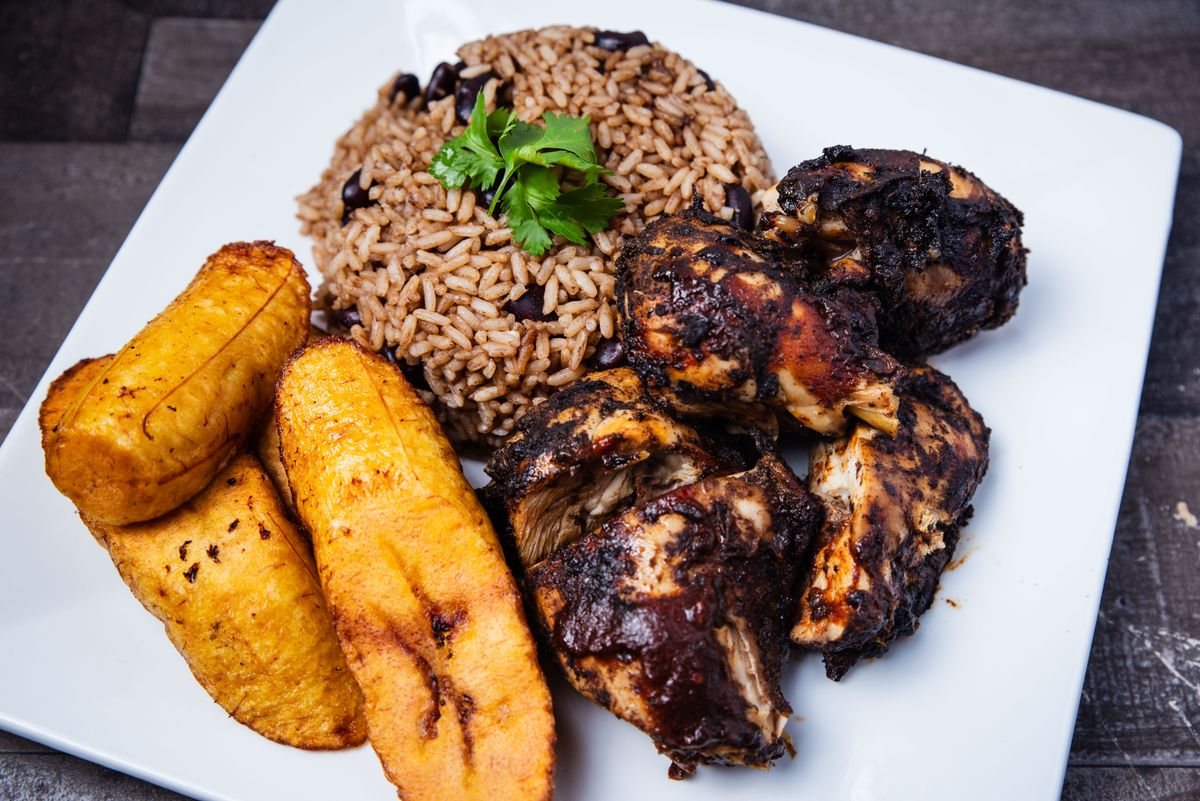
Denver is not the first city most people name when they think about Caribbean cooking, and that is exactly why the local scene rewards attention. You do not stumble into it the way you might in South Florida or parts of New York. You look for it. You ask around. You follow the aroma of allspice, Scotch bonnet, garlic, thyme, and slow-cooked meat into modest dining rooms, market counters, neighborhood cafés, and food operations that often build a loyal following long before they get broad press.
That search is worth the effort. Caribbean food in Denver offers something the city’s dining landscape does especially well when it is at its best: bold flavor without pretense. It is food with backbone. You taste smoke, acid, heat, sweetness, and deep seasoning in one plate. Rice and peas are not an afterthought. Plantains can rescue a whole day. A good curry goat carries its own weather system.
Anyone looking for caribbean food denver options quickly learns an important truth. “Caribbean” is not one cuisine. It is a region with different histories, ingredients, languages, and cooking traditions. Jamaican food often dominates the category in American cities, but even within that lane you will find huge variation in jerk technique, gravy style, spice level, and side dishes. Add in Trinidadian, Haitian, Cuban, Puerto Rican, Dominican, and other island traditions, and the phrase becomes a wide umbrella. A useful dining guide has to start there, because the best meal for you depends on what you think you are looking for.
What counts as Caribbean food, and why the distinction matters
The most common mistake diners make is assuming every Caribbean restaurant should taste the same. That is like expecting all European food to share one menu. Caribbean cooking reflects Indigenous ingredients, African culinary knowledge, colonial trade routes, Indian influence, Chinese migration, Spanish and French techniques, and generations of local adaptation. The overlap is real, but so are the differences.
If your reference point is Jamaican cooking, you are probably thinking about jerk chicken, oxtail, curry goat, patties, coco bread, festival, escovitch fish, ackee and saltfish, and stewed peas. That is a strong and delicious starting place. But if you step into a Trinidadian kitchen, the conversation may shift toward doubles, roti, curried channa, and pepper sauce. In a Cuban setting, roast pork, black beans, yuca, and plantains may define the meal. Puerto Rican cooking brings mofongo, pernil, arroz con gandules, and adobo-heavy comfort. Haitian food leans into epis, pikliz, griot, and sauces with a very different profile.
For diners in Denver, this matters because the city’s Caribbean options may be smaller in number than in some coastal metros, which makes reading the menu before you arrive especially useful. If you show up craving flaky beef patties and a bottle of ginger beer, you do not want to land at a place centered on pressed sandwiches or mofongo and decide, unfairly, that the restaurant missed the mark. It may be doing something entirely different, and doing it well.
How to judge a Caribbean restaurant before you order
A lot of dining guides focus on hype, décor, or influencer visibility. None of those tell you whether the food is worth your time. Caribbean restaurants, especially small family-run spots, often live or die on execution rather than polish. I have eaten memorable island food in storefronts with folding chairs, handwritten signs, and a wait that tested everyone’s patience. I have also had expensive, beautiful plates that tasted timid and generic.
Here is what I pay attention to first: the smell when the door opens, the confidence of the steam table or hot line, the color on grilled meats, the texture of the rice, and whether the kitchen treats sides like part of the meal instead of filler. Good Caribbean cooking should smell seasoned, not merely salty. If a jerk chicken looks pale, or the oxtail gravy seems thin and flat, that caribbean food denver Reggae Pot Jamaican Grill tells you something. If the cabbage has freshness, the plantains have actual caramelization, and the beans carry aromatics instead of canned blandness, that tells you even more.
A strong kitchen also knows how to balance abundance with definition. Caribbean plates can be generous, but volume is not quality. A mountain of rice can bury weak protein. The opposite problem happens too. Some restaurants, especially those adapting to broader American lunch traffic, oversimplify the plate and strip out the details that make it sing. You want the middle ground: hearty portions, clear seasoning, and enough sauce or gravy to carry every bite.
Service style deserves a practical note. At many Caribbean spots, especially counter-service or takeout-heavy businesses, the pace is not built around fast-casual efficiency. Hot food takes time. Stewed meats may sell out. A lunch rush can create a bottleneck. I rarely hold that against a restaurant unless the disorganization affects quality. In fact, some of the best signs in this category are limited availability and a menu that shifts because the kitchen will not promise what it cannot execute that day.
The dishes most worth chasing in Denver
If you are exploring the caribbean food denver scene for the first time, a few dishes tell you a lot about a kitchen’s standards. These are not the only things to order, but they are reliable benchmarks.
- Jerk chicken, because it reveals how the kitchen handles marinade, smoke, heat, and texture
- Oxtail, because good gravy, patience, and proper braising cannot be faked
- Curry goat or curry chicken, because the spice blend and consistency separate average from memorable
- Beef patties, because pastry quality and filling balance show attention to detail
- Rice and peas with plantains, because strong sides usually signal a strong overall kitchen
Jerk is the obvious test, but it is also the most misunderstood. In many American cities, “jerk” gets reduced to spicy grilled chicken with a sweet glaze. That is not enough. A proper jerk profile should taste layered, not one-note hot. You want thyme, scallion, allspice, pepper, garlic, and often a touch of sweetness, all grounded by smoke or char. The best versions hit you in waves. First comes fragrance, then heat, then savory depth. If the meat is dry, the dish fails no matter how punchy the seasoning is.
Oxtail is the comfort order for people who know what they are doing. It should be tender enough to surrender without turning mushy, and the sauce should feel concentrated from actual cooking, not thickened as an afterthought. A good oxtail plate usually brings the whole meal together. Gravy seeps into the rice, plantains offer relief, and the richness feels complete instead of heavy. It is often expensive, and for good reason. If a restaurant does it well, you understand the price after one bite.
Curries deserve more respect than they usually get in casual ordering. They can be the smartest way to evaluate a kitchen, especially in Denver where some places may have to calibrate heat for a mixed audience. Curry goat should taste deeply seasoned with spice cooked into the meat, not dusted over it. The sauce should cling. Bones are part of the deal, and diners unfamiliar with Caribbean curry sometimes misread that as poor value. It is not. The bones bring flavor. What matters is whether the meat around them tastes developed.
Patties and coco bread are where many shops win repeat business. A flaky crust with a filling that actually tastes of beef, spice, and stock is a small miracle when done right. It also travels well, which is why it often becomes the gateway order for office workers, students, and anyone making a quick stop. A kitchen that respects handheld items usually respects the rest of its food.
Denver’s dining patterns shape the experience
One thing I appreciate about eating Caribbean food in Denver is that it sits outside the city’s trend cycle. You are not usually walking into a concept polished by branding consultants. More often, you are walking into somebody’s business built through long hours, neighborhood support, catering, church traffic, word of mouth, and repeat lunch customers. That changes the dining rhythm.
Denver also has a practical constraint: it is a city where weather, commuting distance, and neighborhood geography affect how people eat. If you live in one part of town and the restaurant you want is thirty minutes away in traffic, that meal becomes a plan, not a whim. As a result, many Caribbean spots rely heavily on takeout, family trays, and regulars who know exactly what they want. This can be a gift if you order well. Foods like oxtail, curry, stewed chicken, rice and peas, and patties travel better than delicate fried seafood or anything that needs to stay crackling-crisp.
Altitude and climate subtly change expectations too. Denver diners often crave assertive, warming food, especially during colder months. Caribbean cooking fits that demand beautifully. A plate of jerk chicken with rice, cabbage, and sweet plantains has the comfort of a winter meal without the heaviness of many mountain-state staples. The acidity and spice keep it lively. That may help explain why cuisines built around stews, braises, chiles, and grilled meats find loyal audiences here.
What first-timers often get wrong
The biggest error is treating spice as the only story. Caribbean food can be hot, certainly, but heat is only one tool. Some excellent dishes are mild. Others carry heat in the sauce rather than the protein. If you chase the hottest thing on the menu every time, you may miss the kitchen’s more subtle strengths.
The second mistake is overlooking sides. I have had average main dishes redeemed by excellent fried plantains, proper rice and peas, and a bright cabbage slaw with enough acidity to sharpen the plate. I have also had promising jerk chicken dragged down by dry, underseasoned rice and limp vegetables. In many Caribbean meals, the sides are structural. They are not décor.
The third mistake is expecting every plate to look camera-ready. Some of the best Caribbean food in Denver arrives in a takeout clamshell with gravy running into everything. Good. That is often how you know it will eat well. There are cuisines where visual neatness matters more. This is not usually one of them.
How to order if you want the best meal, not just the safest one
If you are uncertain, there are a few smart strategies that improve the odds. Ask what is selling strongest that day. Ask whether something is made in-house. Ask how spicy the jerk really is, especially if the menu serves a broad audience. And if the place offers a lunch special or combination plate, do not dismiss it. Those can be efficient windows into the kitchen’s core strengths.
- Go at lunch if you want a lower-risk first visit and a quicker read on portion size and seasoning
- Choose one benchmark dish and one side you care about, rather than over-ordering randomly
- If available, add a patty or house drink, because small-format items often show the kitchen’s personality
- Save fried fish or delicate items for dine-in, and use takeout for braises, jerk, curries, and patties
- If a signature item is sold out, pivot instead of forcing a second-choice order the kitchen is not proud of
That last point matters more than most people realize. Sellouts can be annoying, but they often mean the restaurant prepared a realistic amount and moved it honestly. I would rather hear “we’re out of oxtail” at 6:30 than get a tired pan of meat held too long just to preserve the illusion of abundance.
Pairings, drinks, and the small details that change the meal
Good Caribbean dining is not just about the center of the plate. The right drink can sharpen or soften the meal in useful ways. Ginger beer works beautifully with jerk because it mirrors spice with spice, while still refreshing the palate. Sorrel, when available, brings tartness and spice that suit richer meats. Ting, kola champagne, and fruit punches each have their place, especially with patties or fried snacks. Even a simple bottled soda can make sense if the food is intense. Sweetness is part of the balancing act.
Then there are sauces. Many Caribbean kitchens have a pepper sauce or house-made hot condiment that deserves respect. Use it carefully the first time. Some are fruity and bright. Others are blunt instruments. I have watched diners drown an already seasoned plate in pepper sauce and then complain that everything tastes the same. A few drops first. Learn the sauce. Then decide.
Dessert does not always get center stage in discussions of Caribbean food in Denver, but when it appears, pay attention. Rum cake, bread pudding variations, sweet fried doughs, or coconut-based desserts can round out the meal, especially if you have been through a heavy savory spread. They also reveal whether the kitchen is thinking beyond the obvious staples.
Where authenticity helps, and where the word gets abused
“Authentic” is one of the most abused words in food writing, especially for immigrant and diasporic cuisines. It often gets used as a weapon by diners who know one version of a dish and assume every other version is wrong. That is lazy thinking. Caribbean food evolves constantly, especially in cities like Denver where supply chains, local tastes, staffing, and economics shape what is possible.
That said, not every adaptation is equally good. There is a difference between thoughtful adjustment and flattening the cuisine into a generic grilled-meat-and-rice format. Real judgment lives in that gap. If a restaurant tones down heat slightly but still preserves thyme, allspice, smoke, and proper marinade depth, that can be a fair adaptation. If it labels something jerk and serves sweet barbecue chicken with vague spice, that is not adaptation. That is misrepresentation.
I tend to trust restaurants that make clear choices. A menu that says Jamaican-style oxtail and delivers rich, dark gravy with properly cooked sides earns confidence. A kitchen that offers a Trinidadian roti and takes care with the filling and wrap earns confidence. Vague fusion language with no culinary point usually does not.
Takeout versus dine-in in the Denver market
Because so much Caribbean food travels well, Denver is actually a strong takeout city for this category. Jerk chicken, curries, braised meats, patties, rice dishes, and stewed vegetables often hold up beautifully on the ride home. In some cases, they improve slightly as flavors settle. If you are feeding two or more people, ordering a spread and eating family-style is often better than everyone getting a separate entrée. You end up with contrast: one smoky item, one saucy item, multiple sides, and enough variety to understand what the kitchen really does.
Dine-in still has its advantages. Fresh fried items stay crisp. The staff may be more willing to talk through the menu if they are not slammed by delivery tickets. You also get the scents and atmosphere, which are not minor details in a cuisine so driven by aroma. If the place is busy with regulars, listen to what they order. That is one of the oldest restaurant tricks around, and it still works.
For larger gatherings, catering is often where Caribbean kitchens shine. Trays of jerk chicken, rice and peas, curry dishes, cabbage, plantains, and patties make practical sense for office lunches, birthdays, game days, and community events. The food scales well, and the flavors hold. In Denver, where entertaining often happens at home rather than in dense urban neighborhoods, that matters.
The smart way to build your own Denver Caribbean circuit
If you plan to explore deeply rather than trying one place and stopping there, think in categories instead of brand loyalty. Find one spot you trust for jerk, another for patties, another for braises, and another for lunch specials or family platters. That is often how seasoned local diners operate in cities where the scene is still compact and each restaurant may excel in a different lane.
It also helps to revisit places. Early impressions can mislead, especially if you ordered the wrong thing on the wrong day. A restaurant that seemed average on grilled chicken might shine on curry goat. A place you used only for takeout patties may deserve a full meal. Caribbean kitchens, like barbecue joints and soul food spots, are especially vulnerable to being judged off a single rushed visit. Fair criticism matters, but so does context.
Seasonality plays a role too, not because the cuisine itself is seasonal in the obvious farm-to-table sense, but because appetites change. In summer, jerk chicken, slaws, and fruit-forward drinks hit differently. In winter, oxtail and curry become deeply satisfying. Denver’s climate swings make this cuisine feel relevant year-round.
Why this corner of Denver dining deserves more attention
The caribbean food denver conversation is still developing, and that is part of its charm. You are not entering a fully mapped, over-documented scene where every opinion has already hardened into consensus. There is room for discovery. There is room for regulars to have their own favorite plate, their own preferred level of heat, their own debate about who nails the rice, who chars the jerk correctly, who makes the best gravy, who should never run out of patties by midafternoon but somehow always does.
That kind of dining culture feels alive. It asks a little more from the eater. You have to be curious. You have to tolerate the occasional wait, menu gap, or uneven night. In return, you get food that tastes like somebody cares about it for reasons beyond trend value. You get meals built on memory, migration, adaptation, and hard-earned repetition.
For anyone serious about eating well in Denver, Caribbean food belongs on the list, not as a novelty, but as a steady and satisfying part of the city’s culinary identity. Start with a benchmark plate. Pay attention to the sides. Respect the pepper sauce. Order what the kitchen is proud of that day. Then go back and eat more widely. That is how good dining guides become personal ones, and it is the best way to understand what this food can do in Denver.
Reggae Pot Jamaican Grill
2243 S Monaco St Pkwy, Suite 104
Denver, CO 80222
(720) 410-2956
FAQ About caribbean food denver
What is a typical Caribbean meal?
Caribbean cuisines vary by island. A Jamaican meal might pair jerk chicken or oxtail with sides such as rice and peas, cabbage, or fried plantains.
What is Jamaica’s national dish?
Ackee and saltfish is widely recognized as Jamaica’s national dish. Check the current menu for availability.
Is Caribbean jerk the same as Jamaican jerk?
Jerk is a Jamaican cooking tradition associated with seasoning and slow cooking or grilling. The exact heat level and preparation vary by cook.